
Sod vs. Artificial Turf in Georgia — Which Is Right for Your Yard and What the Long-Term Costs Show
The sod vs. artificial turf conversation in Georgia is less philosophical than it used to be. A decade ago, artificial turf was primarily a solution for athletic fields and homes where natural grass simply wouldn't grow. Today, it's a legitimate landscaping choice for residential properties — and a genuinely better answer than sod in specific situations. The question isn't which one is right in principle. It's which one is right for your specific yard, your maintenance tolerance, your budget, and the way you actually use the space.
Both options have significant strengths and real drawbacks in Georgia's climate. Getting the answer wrong costs money — either in replacement cost when natural grass fails in a shaded or high-traffic area, or in installation cost and the loss of ecological function when artificial turf goes in where sod would have performed well and served the soil better. The decision deserves more than a preference. It deserves a practical analysis of your specific conditions.
Making the CallWhen Sod Is the Right Answer in Georgia
Natural grass sod — Bermuda, Zoysia, or Fescue depending on sun exposure and use pattern — is the right choice when conditions support it. Full-sun lawns with adequate soil depth, reasonable drainage, and moderate foot traffic are where Georgia sod performs best and delivers the most value per dollar over time. A well-established Bermuda or Zoysia lawn in full sun in a Northeast Atlanta yard can last indefinitely with proper maintenance — mowing, seasonal fertilization, and occasional overseeding or patching — at an annual cost significantly lower than artificial turf's replacement cycle.
Sod also provides ecological benefits that artificial turf cannot: soil cooling, stormwater absorption, carbon sequestration, and habitat support. On properties where runoff management is important — which includes most Georgia properties with meaningful slope — natural grass contributes to drainage performance in ways that an impermeable artificial turf surface does not. These benefits aren't just environmental preferences; they're functional property characteristics that affect drainage performance and soil health over time.
"Georgia's best lawns are Bermuda or Zoysia in full sun with proper soil prep. In those conditions, natural grass is hard to beat on long-term value."
When Artificial Turf Is the Better Call in Georgia
Artificial turf is the correct answer in three Georgia situations: shaded areas where natural grass repeatedly fails, high-traffic zones that see more use than natural grass can sustain, and properties where maintenance reduction is the primary objective. Georgia's tree coverage — significant in established neighborhoods across Gwinnett and Forsyth Counties — creates shade conditions where even shade-tolerant Fescue struggles. Homeowners who have replanted the same area three times in four years are spending more on failed grass than a one-time artificial turf installation would have cost.
High-traffic zones — around backyard play structures, along frequently used path lines, in pet areas — are the other strong artificial turf use case. Natural grass in these areas compacts, thins, and eventually fails regardless of variety. Artificial turf in targeted high-traffic zones alongside natural grass in the remainder of the yard is a hybrid approach that addresses the specific problem without committing the entire lawn to synthetic surface. This is how most experienced landscape designers in Georgia actually specify it.
- Full-sun areas with proper soil depth: sod (Bermuda or Zoysia) outperforms on long-term value
- Shaded areas under established tree canopy: artificial turf eliminates recurring sod replacement cost
- High-traffic zones (pets, play equipment, path lines): artificial turf prevents compaction failure cycles
- Georgia heat: artificial turf surface temps can reach 140–160°F in direct sun — a real consideration for pet and child use areas
- Drainage on sloped properties: natural grass contributes to stormwater absorption; impermeable turf backing requires drainage planning
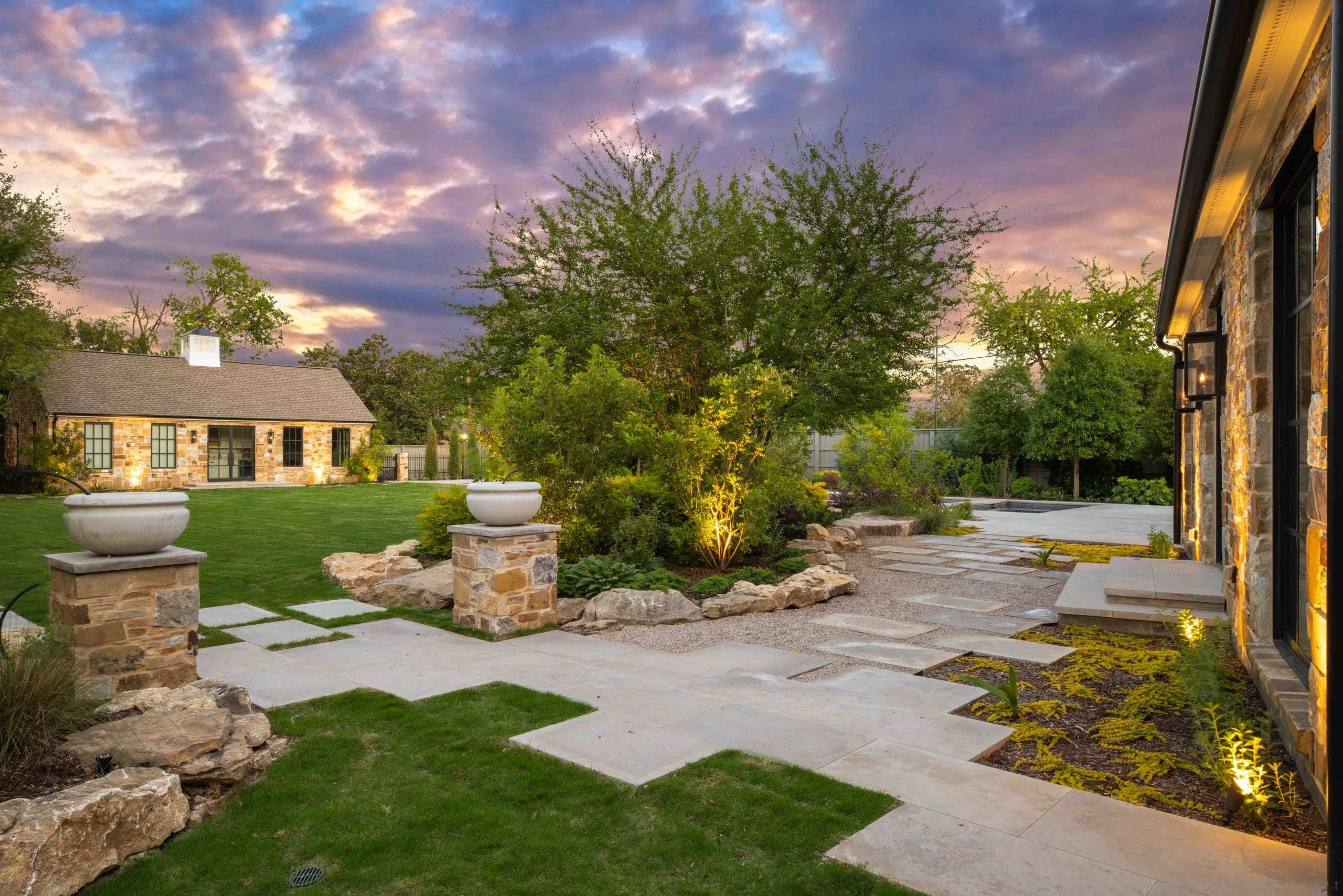
Timberstone evaluates site conditions before recommending sod or turf — because the right answer depends on your specific yard, not a general preference.
The Long-Term Cost Comparison Georgia Homeowners Actually Need
Artificial turf installation in Georgia typically runs $12 to $22 per square foot installed, depending on turf grade, infill type, and base preparation requirements. Quality products carry 10 to 15-year warranties. Over that lifecycle, the cost per year is meaningful — though maintenance costs are minimal. Natural sod at $2 to $4 per square foot installed plus $300 to $600 per year in maintenance is lower in annual cost for areas where it succeeds. The calculus shifts when you factor in repeated replacement in problem areas — which is where most homeowners undercount their actual sod cost over time.
Timberstone Landscape is based in Grayson, Georgia, and we install both natural sod and artificial turf across the Northeast Atlanta region. We assess your specific site conditions, shade exposure, drainage characteristics, and use patterns before recommending either — because the right answer is always site-specific. See our landscaping services or our design-build process to start with a proper site evaluation.
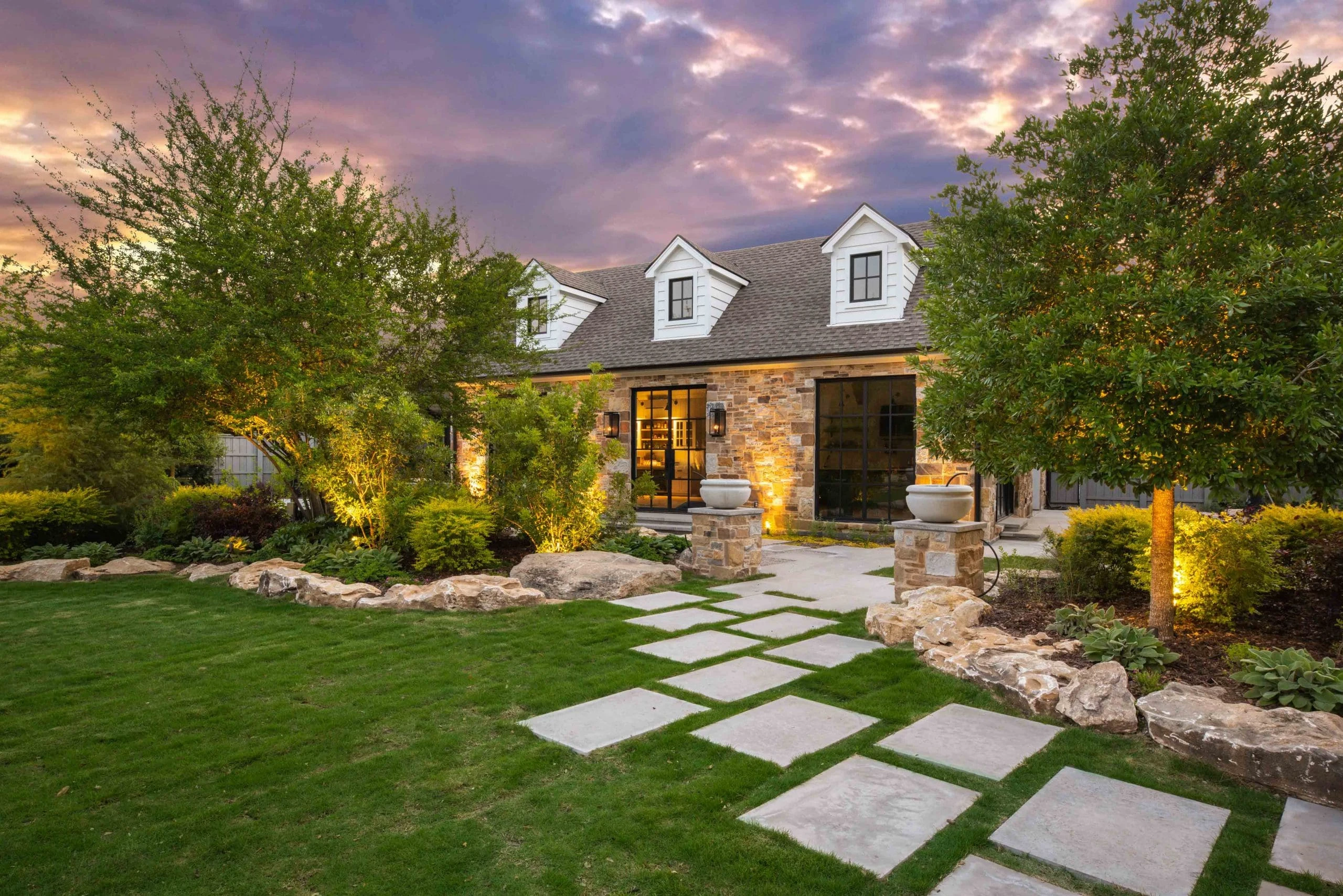
Timberstone recommends the right surface for your actual yard conditions — not the one that's easiest to install or currently trending.
Sod or Turf — We'll Help You Choose What Actually Makes Sense
Free consultations. We walk you through the real long-term cost of both options in Georgia's climate before you decide.
Request a Free ConsultationTimberstone Landscape is based in Grayson, Georgia and serves the greater Northeast Atlanta region within 40 miles: