
How to Choose the Right Trees for a Georgia Landscape — What Survives the Heat and What Looks Good Doing It
Tree selection is where most Georgia landscape plans go wrong in slow motion. The wrong tree doesn't fail dramatically — it just never quite performs. It establishes weakly in the first summer, struggles through the second drought, starts showing stress decline in year three, and by year five the homeowner is looking at a half-dead specimen in the middle of the yard that costs money to remove and needs to be replaced. The right tree, selected for Georgia's specific conditions, does the opposite: establishes quickly, grows to form, and contributes structure to the property for decades.
Georgia's climate is a distinct and demanding environment for trees. The combination of red clay soil with poor drainage capacity, summer heat that pushes soil temperatures well above what many imported ornamentals can tolerate, late-season drought from July through September, and periodic ice events in January and February creates a selection filter that eliminates a significant portion of what looks good in the nursery catalog. Knowing what survives here — and what thrives here — is the difference between a landscape that holds its structure long-term and one that requires constant replacement.
Species SelectionWhat Survives Georgia's Summer Heat — The Reliable Performers
The trees that reliably perform in Georgia's Piedmont climate share several characteristics: deep root systems tolerant of clay soil, drought tolerance once established, and heat hardiness rated to USDA Zone 7 or 8. Natchez Crape Myrtle (Lagerstroemia indica 'Natchez') is the premier flowering tree for the Northeast Atlanta region — fast-establishing, dramatic summer bloom, outstanding fall color, and near-total heat and drought tolerance once established after the first season. It's widely used precisely because it works reliably across the full range of conditions Georgia properties present.
Southern Magnolia (Magnolia grandiflora) is the standard large-canopy evergreen for Georgia properties — it's native, deeply adapted to the region's soil and climate, and provides year-round screening and structure that few other trees can match at scale. For shade tree applications, Willow Oak and Shumard Oak are the preferred species over the Bradford Pear, which has been broadly planted across Northeast Atlanta for decades but is now recognized as invasive, structurally weak at maturity, and frankly overused to the point of visual monotony.
"The best Georgia landscape tree is one that the climate never stresses — because a stressed tree is a tree you're going to replace."
What Doesn't Survive — The Commonly Planted Mistakes
Several tree species are commonly sold and planted in Georgia that routinely underperform or fail in the specific conditions of the Northeast Atlanta Piedmont. Japanese Maples are a persistent example — beautiful in the right setting, but often planted in full-sun locations on clay soil where they decline from heat stress within three to five years. They thrive in morning sun with afternoon shade and well-amended soil. On the average Georgia suburban lot in full western exposure, they're a reliable money pit.
Leyland Cypress, once the universal screening tree in Georgia neighborhoods, is now widely understood to be poorly suited for the long-term. It grows fast — which is why it was planted everywhere — but matures into a structurally weak, disease-susceptible specimen that begins declining around year fifteen and frequently fails catastrophically in ice storms. On properties where it was planted for privacy screening, replacement planning should begin well before visible decline. Better alternatives for Georgia privacy screening include Nellie Stevens Holly (evergreen, disease resistant, native-adjacent) and Green Giant Arborvitae in appropriate exposures.
- Natchez Crape Myrtle: best flowering tree for Georgia heat and clay soil — drought tolerant once established
- Southern Magnolia: premier large evergreen for year-round structure and screening — fully native-adapted
- Willow Oak / Shumard Oak: preferred shade trees — replace aging Bradford Pears before structural failure
- Japanese Maple: requires afternoon shade and amended soil — fails in full-sun clay Georgia exposures
- Leyland Cypress: fast growing but disease-prone and structurally weak at maturity — plan replacement by year 12–15
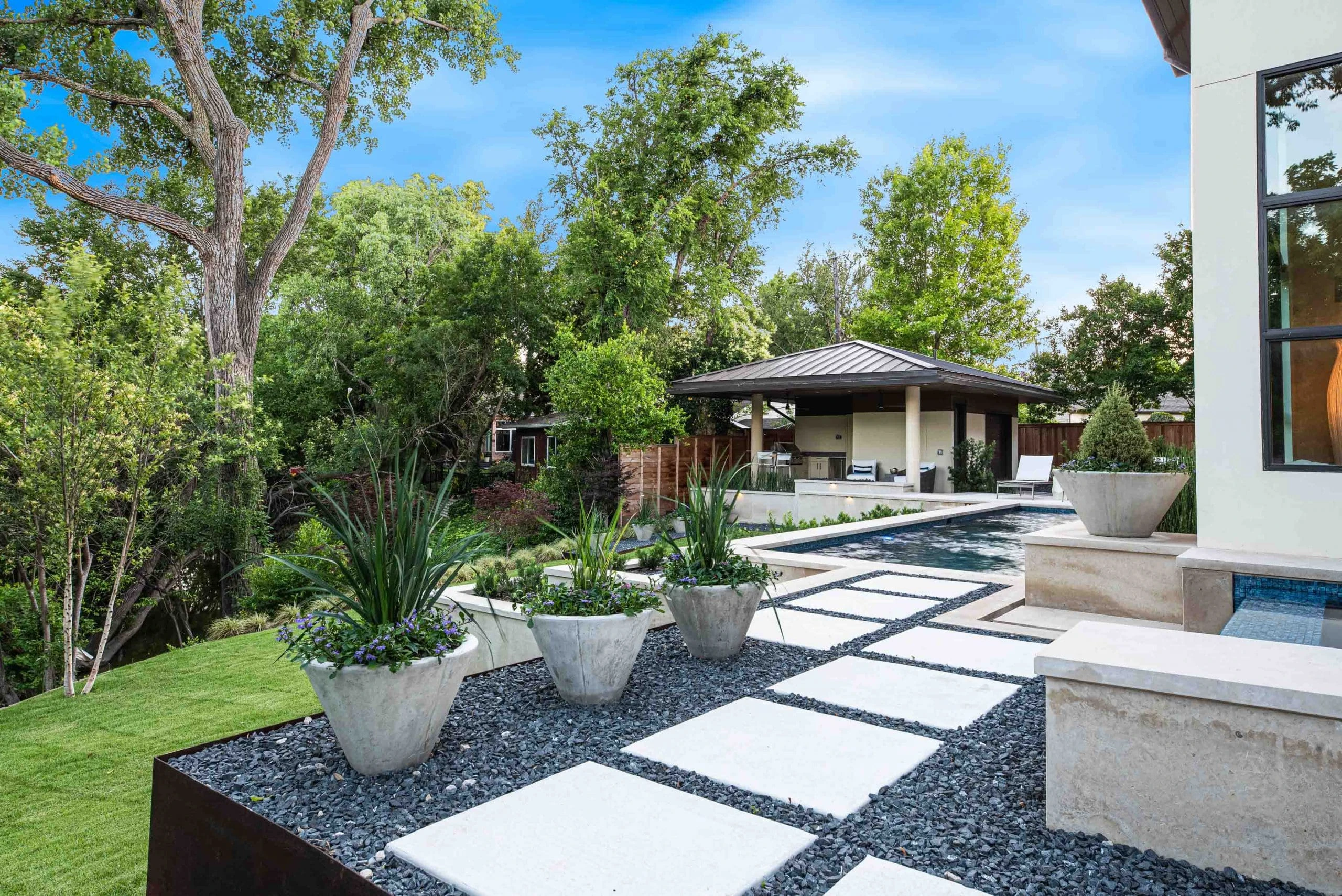
Timberstone selects trees for Georgia's actual climate conditions — not the catalog photo taken in the Pacific Northwest.
How Tree Selection Connects to Hardscaping and Long-Term Property Value
Tree selection isn't a standalone decision on a property with significant hardscaping. Root systems and hardscape surfaces interact — and planting the wrong tree too close to a paver patio, retaining wall, or pool deck creates a structural conflict that becomes expensive within ten to fifteen years. Some of the most dramatic hardscaping repair work we do at Timberstone Landscape involves retaining walls and paver patios that were undermined by root systems from trees planted too close to the structure at initial landscape installation.
The right tree selection accounts for mature root spread, growth rate, and placement relative to existing and planned hardscape elements. A tree planted eight feet from a retaining wall that reaches thirty-foot canopy spread will have root systems well past that wall within fifteen years. That's not a speculation — it's a predictable outcome that proper placement at installation prevents entirely. At Timberstone Landscape, based in Grayson, we integrate tree selection and placement with the hardscaping plan so both can perform for the long term without conflict. See our landscaping services or our design-build process to start with a complete property analysis.
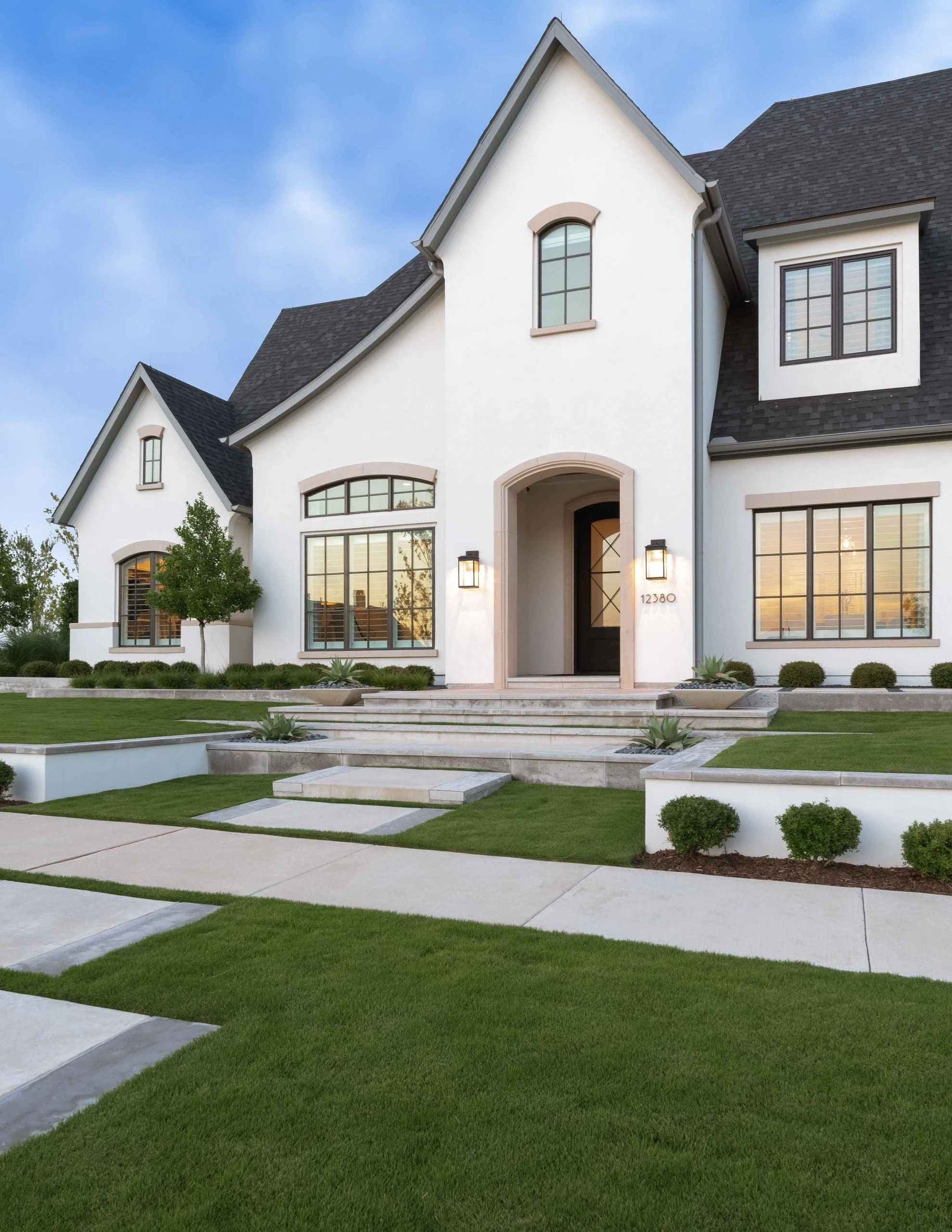
Every tree Timberstone plants is selected for Georgia's climate, placed for mature form, and integrated with the full hardscape plan of the property.
Trees Chosen for Georgia — Not Just the Catalog
Free consultations. We select trees that survive Georgia heat, hold their form, and complement your property's hardscaping.
Request a Free ConsultationTimberstone Landscape is based in Grayson, Georgia and serves the greater Northeast Atlanta region within 40 miles: