
The Pool Deck Safety Guide Every Georgia Homeowner Should Read Before Summer — What Most Decks Are Missing
Pool deck safety in Georgia isn't a topic most homeowners think about until something happens. The deck looks fine, the pool is clean, the season opens. But pool deck safety failures are rarely dramatic announcements — they're the accumulation of deferred maintenance, aging surface friction, and structural issues that were present but unexamined for years. A pre-season assessment catches these before they become emergency calls.
Georgia's pool season is long — from April through October in many years. That's seven months of barefoot traffic on surfaces exposed to UV, chlorinated water, humidity, and the biological growth that warm, wet conditions support. The deck surface that was adequate in fall may have changed significantly over winter and early spring — surface friction may have decreased, grout or joint material may have opened, structural shift may have occurred. Pre-season is the right time to assess, not mid-July when the deck is in daily use.
The Safety AssessmentSurface Friction — What Aging Does to Pool Deck Materials
Every pool deck surface loses friction coefficient over time. The texture that provides wet-surface grip wears progressively with foot traffic — micro-peaks in the surface profile flatten, surface treatments on coated concrete polish smooth, and biological growth (algae, mildew) creates slippery conditions on surfaces that weren't designed to resist it. The pool deck that was installed with adequate slip resistance may have aged below the threshold at which that slip resistance is reliable — especially in the transition zones most frequently used: pool edge, pool steps, entry and exit points.
"Pool deck slip resistance doesn't announce when it's failed. You find out on a wet afternoon when someone isn't expecting it."
Structural Issues — What to Look for Before the Season
Georgia's winter and spring — freeze-thaw cycles, heavy rainfall, and the drying of clay soil — create movement in pool deck substrates. Settlement, edge displacement, and grout joint opening are the most common structural issues that develop or worsen over the off-season. Settlement creates trip hazards where adjacent deck surfaces sit at different heights — even a quarter-inch difference is enough to catch a wet, bare foot unexpectedly. Edge displacement at pool coping means the transition from deck to pool edge may have a gap or height differential that wasn't there last season. Grout joint opening allows water infiltration that accelerates freeze-thaw deterioration and can admit biological growth.
Timberstone Landscape, based in Grayson, Georgia, conducts pool deck safety assessments for homeowners across Northeast Atlanta. We evaluate surface friction condition, structural settlement and displacement, coping integrity, drainage function, and chemical degradation on existing pool decks — and we're honest about what requires correction versus what requires monitoring. We also install new pool deck systems as a Techo-Bloc Preferred Contractor, specifying materials with appropriate friction ratings, thermal performance, and durability for Georgia's pool environment. See our pool deck and water features services or our hardscaping services.
- Surface friction: evaluate wet slip resistance condition at pool edge, steps, and high-traffic zones
- Settlement: check adjacent surface height differentials — quarter-inch gaps create trip hazards barefoot
- Coping integrity: pool edge coping shift or gap creates entry-exit hazards and water infiltration paths
- Grout and joint condition: open joints allow biological growth, water infiltration, and structural acceleration
- Drainage: verify surface drainage direction and perimeter drainage function after winter soil movement
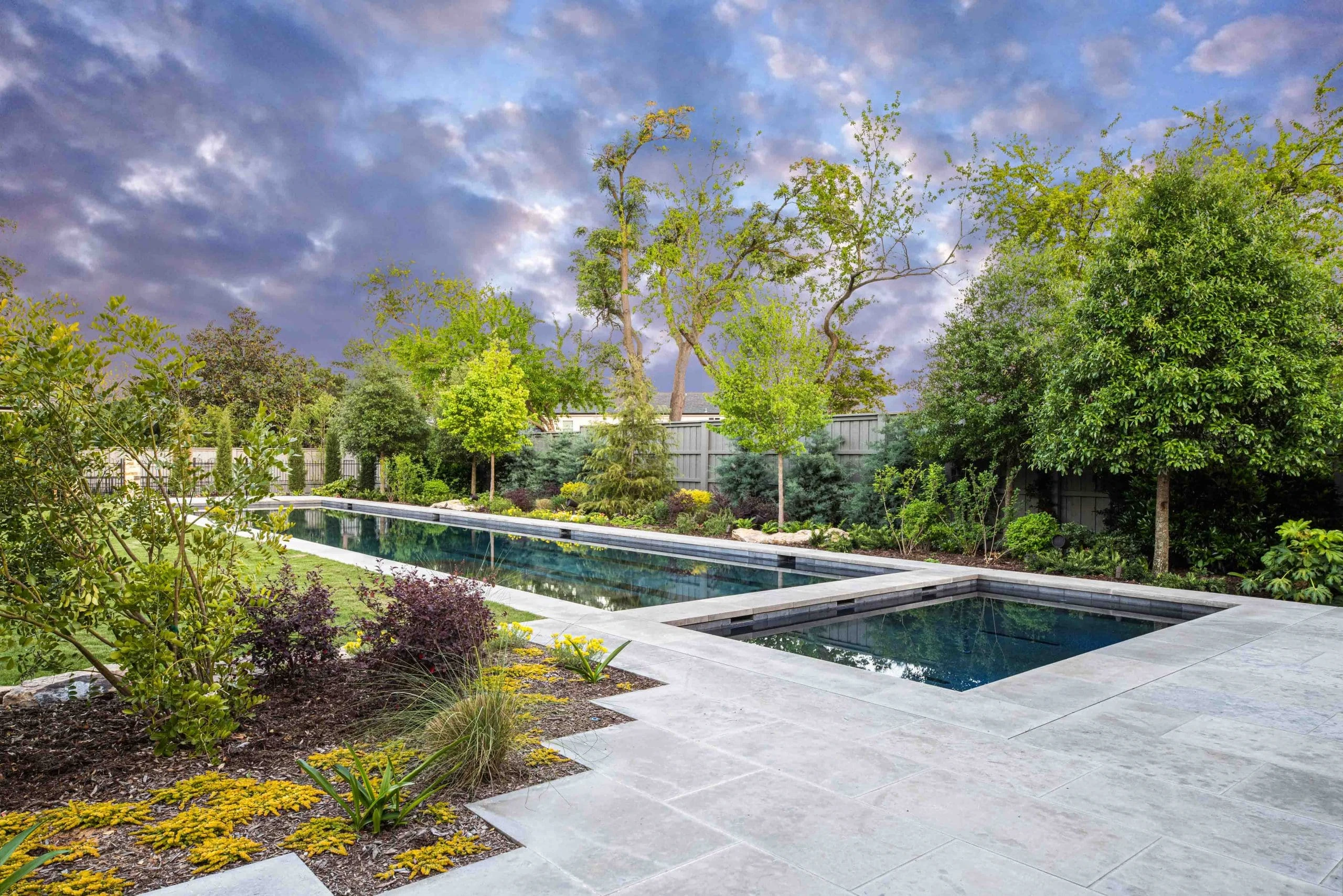
Pre-season pool deck safety assessment — surface friction, structural integrity, coping condition, and drainage function evaluated before the season opens.
When Assessment Reveals It's Time to Replace
Some pool deck issues are maintenance and repair items — joint regrouting, isolated paver replacement, localized resurfacing. Others indicate that the deck system has reached end of serviceable life or was never built to a standard that supports safe, long-term use. When pool deck settlement is widespread rather than localized, when surface friction is systematically low rather than spot-deficient, when the substrate structure is compromised rather than surface-level — these are indicators that repair extends the problem rather than solves it.
The decision to repair or replace a pool deck is one Timberstone Landscape makes honestly with every homeowner who asks for an assessment. We don't default to replacement when repair is appropriate — and we don't recommend repair when the deck's condition and remaining service life make replacement the better long-term decision. That conversation, before the season begins, is the most valuable thing a Georgia pool homeowner can do for their family's safety and their property's long-term value.
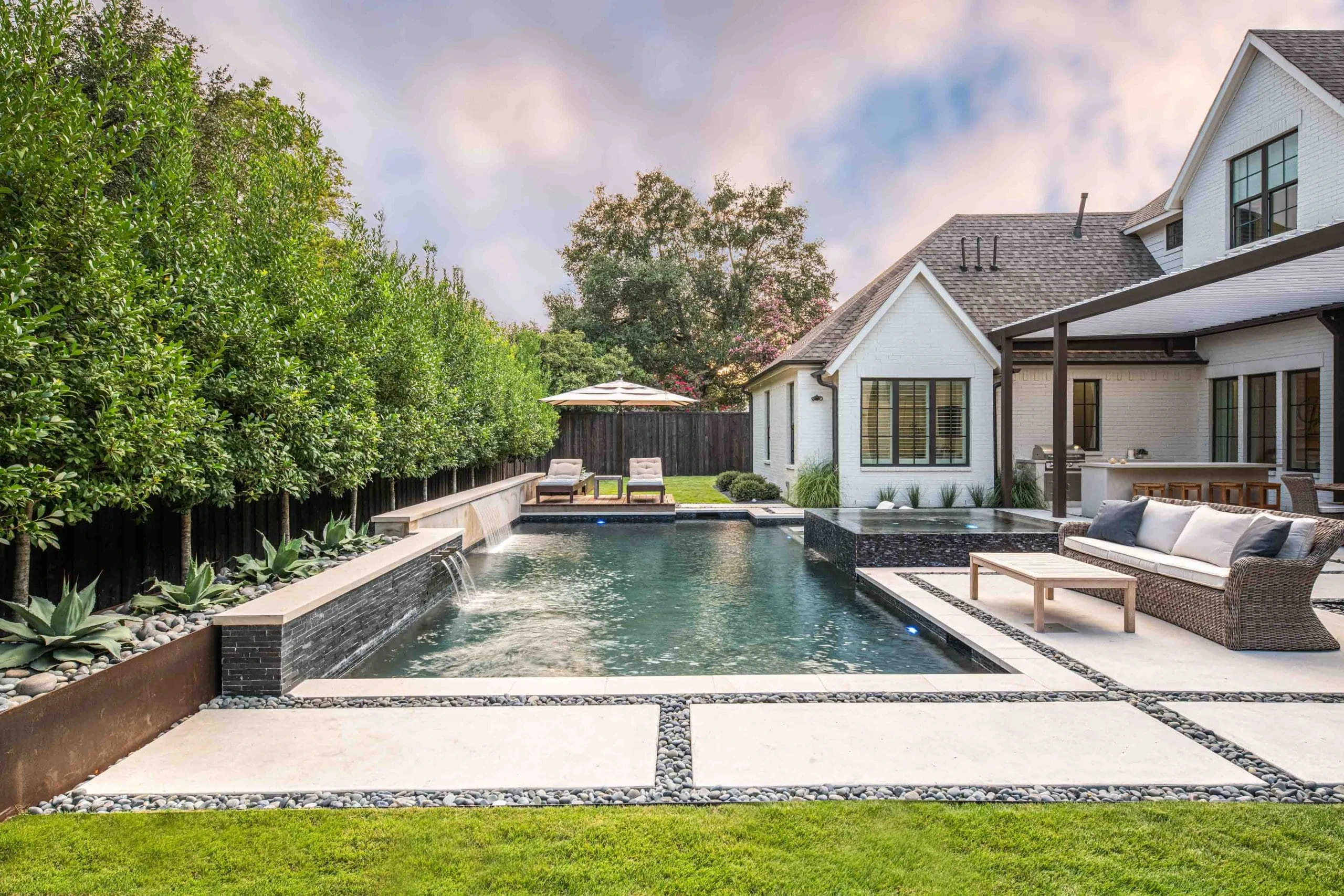
Pool deck safety assessed and solved — before the season starts, not during it.
Is Your Pool Deck Actually Safe This Summer?
Free pool deck safety assessments. We check the things most homeowners haven't looked at — before the season starts.
Request a Free AssessmentTimberstone Landscape is based in Grayson, Georgia and serves the greater Northeast Atlanta region within 40 miles: