
Why Native Georgia Plants Outperform Exotic Species — And What to Plant Instead
Native plants have a performance advantage in Georgia landscapes that no amount of irrigation, fertilization, or soil amendment can fully replicate for exotic species. When a plant species has evolved in Georgia's specific climate — the humidity, the heat, the red clay soil, the specific rainfall pattern — it arrives at your property already adapted to every condition your landscape will throw at it. Exotic species arrive as strangers, and many of them never fully acclimate.
This doesn't mean every landscape bed should be a wildflower meadow. It means that when a native plant can do the job that an exotic is currently doing in your landscape, the native will likely do it better, require less water after establishment, need fewer inputs over time, and provide additional ecological benefits — pollinator habitat, bird food sources, and improved soil biology — that the exotic cannot. Understanding which natives serve which landscape roles is how Georgia homeowners build landscapes that perform for decades rather than years.
High-Performance Native Plants for Georgia Landscapes
Native Plant Selections- Oakleaf hydrangea (Hydrangea quercifolia): Arguably the most valuable native shrub for Georgia landscape beds. Exceptional drought tolerance once established, bold white summer flowers that age to parchment, spectacular fall foliage, and exfoliating bark for winter interest. Outperforms exotic bigleaf hydrangeas in full sun heat without wilting.
- Inkberry holly (Ilex glabra): Native evergreen shrub for moist to average soil. Provides year-round structure, attractive black berries for birds in fall and winter, and performs well in conditions where many exotic evergreens struggle — partial shade, moist soil, heavy clay.
- American beautyberry (Callicarpa americana): Spectacular fall display of brilliant purple berry clusters. Naturalizes readily, tolerates heat and drought once established, and provides one of the most visually dramatic fall moments of any shrub available for Georgia conditions.
- Muhly grass (Muhlenbergia capillaris): Native ornamental grass with exceptional drought and heat tolerance. The pink-purple fall bloom cloud is one of Georgia's most distinctive seasonal displays. Extremely low maintenance once established — cut back once a year in late winter.
- Eastern redbud (Cercis canadensis): Native understory tree that blooms lavender-pink before leaf-out in early spring — often the first significant tree bloom of the Georgia landscape year. Heart-shaped leaves provide summer texture; fall color ranges from yellow to orange.
"A Georgia native plant spends zero energy adapting to climate conditions it's never encountered before. That energy goes straight into establishment, growth, and bloom — which is why natives consistently outperform exotics on the same site once they're in the ground."
Where Exotics Still Have a Role
Balanced ApproachA native-forward approach doesn't require eliminating non-native plants from Georgia landscapes. Many well-adapted exotics — including Japanese maples, crape myrtles, Encore azaleas, and nandinas — perform excellently in Georgia's conditions and are genuinely valuable members of a diverse plant palette. The goal is not purity; it's performance. Plants that work well in Georgia's specific conditions — native or not — belong in a well-designed Georgia landscape. Plants that require ongoing intervention to survive do not.
Why Timberstone Uses Natives to Build Durable Georgia Landscapes
The Timberstone ApproachTimberstone Landscape incorporates native plant material into every landscape design across Grayson, Lawrenceville, Buford, Suwanee, and throughout Northeast Atlanta. As a Techo-Bloc Preferred Contractor (Techo-Pro), Victor and the Timberstone team understand that the best Georgia landscapes are built around plants that perform in Georgia's conditions — and native species are an irreplaceable part of that foundation. Every Timberstone planting plan balances native performance anchors with well-adapted exotics to create landscapes that look exceptional and require less intervention over time.
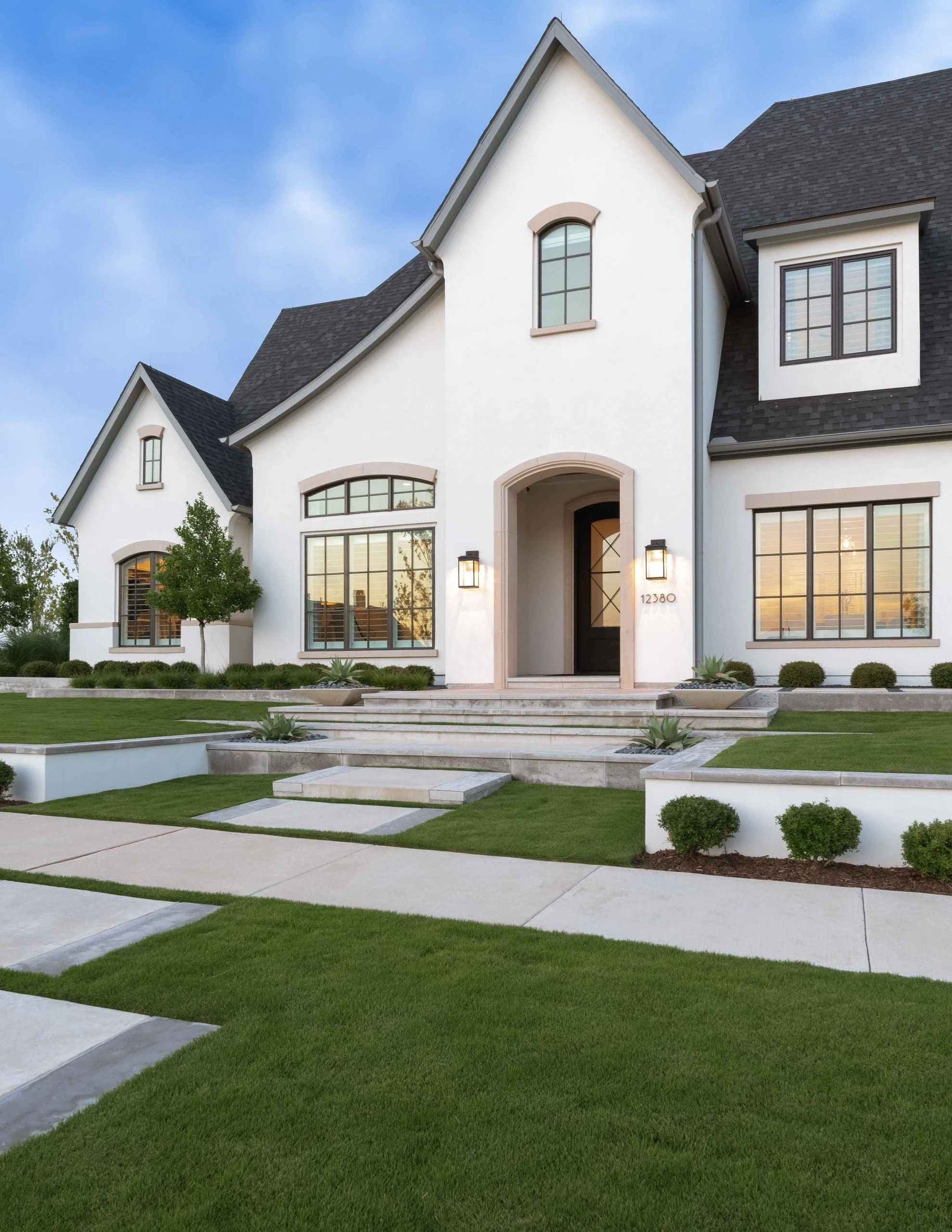
Native Georgia plants arrive pre-adapted to local conditions — requiring less water, fewer inputs, and delivering consistent performance through Georgia's full seasonal range.
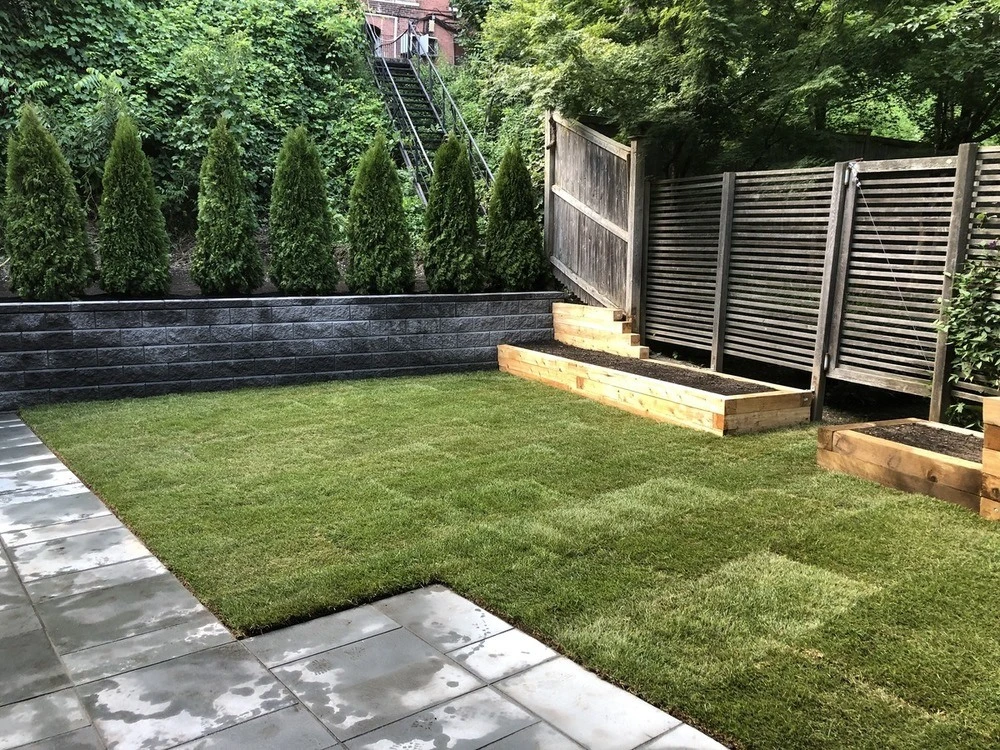
Landscape Design That Performs Year After Year in Georgia
Timberstone Landscape serves Grayson, Lawrenceville, Buford, Suwanee, and throughout Northeast Atlanta. Free landscape consultations available.
Get a Free Estimate