
How Drip Irrigation Protects Georgia Landscape Investments From Summer Drought
Georgia summers are hard on plants. Stretch after stretch of 95-degree heat with two weeks between meaningful rain is enough to stress even well-established landscaping — and for newly installed plants in their critical first two years, it can be fatal. Drip irrigation is what separates a landscape investment that survives Georgia summers from one that has to be replanted every fall.
The frustration is familiar: a homeowner invests $8,000–15,000 in new plantings, beds, and landscape design, and by August of the first summer several specimens are dead or severely stressed. The culprit is almost always water delivery — either too much applied through overhead spray that promotes surface-level fungal issues, or inconsistent hand-watering that leaves critical soil zones dry during heat events. Drip irrigation solves both problems simultaneously.
Timberstone Landscape integrates drip irrigation into every significant planting project we build in Northeast Atlanta. As a Techo-Bloc Preferred Contractor (Techo-Pro) specializing in complete outdoor environments, we treat irrigation not as a separate trade but as a core component of the landscape system — coordinated with hardscaping and planting design from the beginning.
Why Drip Outperforms Overhead Spray in Georgia
Overhead spray irrigation applies water across the top of the plant and soil surface. In Georgia's humid climate, that wet foliage environment is an ideal incubator for fungal diseases — powdery mildew, black spot, leaf spot — that stress plants and require ongoing chemical treatment to manage. It's a problem that Georgia landscapers deal with constantly on properties using overhead spray systems.
Drip irrigation delivers water directly to the root zone at a slow, controlled rate. The foliage stays dry. The soil around the root ball receives a consistent, measured supply of moisture. During Georgia's hottest weeks, drip systems can be scheduled to deliver water in the early morning when evaporation is lowest, maximizing efficiency and ensuring the plants receive the full benefit of each irrigation cycle.
"Drip irrigation doesn't just keep plants alive through Georgia summers — it trains root systems to grow deep and strong, creating plants that are genuinely drought-tolerant within two seasons."
Protecting the Root Establishment Period
The first 18–24 months after installation are when newly planted trees, shrubs, and perennials are most vulnerable. Root systems are still establishing their reach into the surrounding soil. During this period, the plant depends almost entirely on the moisture delivered to the original root ball. A drip system with emitters positioned at the root ball edge ensures that zone stays appropriately moist through dry spells without oversaturating the surrounding soil and creating anaerobic conditions.
Georgia clay soil makes this balance particularly important. Clay holds moisture well but doesn't let it move quickly. Oversaturation of clay around a new root ball can suffocate roots as effectively as drought. Drip's slow, controlled delivery prevents the overwatering problem while still meeting the drought-protection objective — a balance overhead spray struggles to achieve in heavy clay.
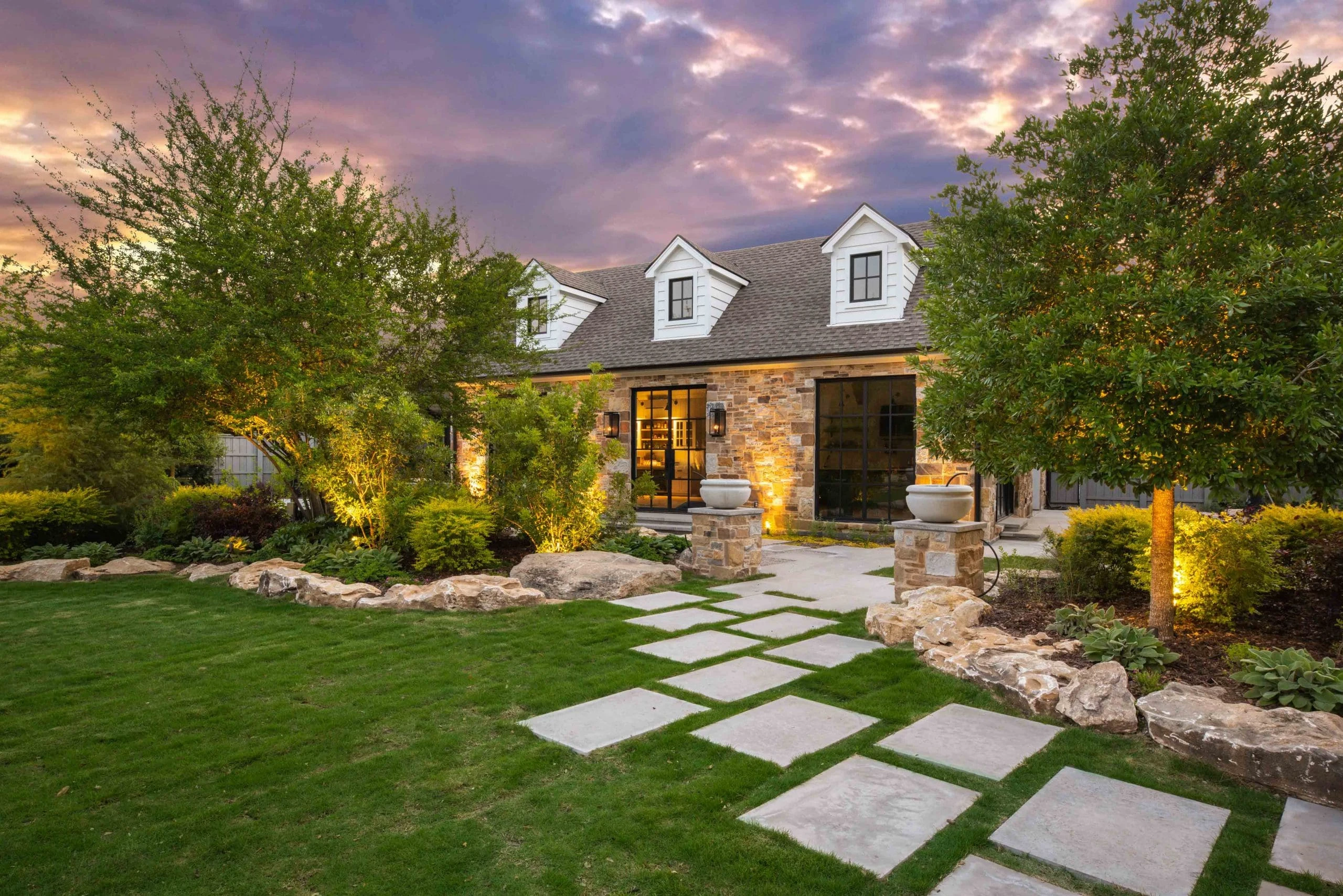
- Root-zone delivery eliminates the humid foliage environment that causes fungal disease
- Early-morning scheduling maximizes water efficiency by minimizing evaporation
- Slow delivery rate prevents clay soil oversaturation around new root balls
- Consistent moisture during establishment builds deep root systems within two seasons
- Smart controller integration adjusts watering schedules based on actual rainfall data
Why Timberstone Integrates Irrigation Into Every Landscape Project
We don't offer irrigation as an optional add-on for significant planting projects. The landscape investment and the irrigation system are co-dependent — and a landscape installed without proper irrigation in Georgia's climate is an investment with a known vulnerability built in. We design drip systems alongside the planting plan, coordinate line routing with any hardscaping in the project, and set up the controller with a schedule that reflects the specific plant material and site conditions.
The result for Northeast Atlanta homeowners is a landscape that survives its first Georgia summer, establishes fully in its second, and reaches the independent maturity in years three and four where supplemental irrigation becomes optional rather than essential. That outcome — a landscape that thrives and eventually self-maintains — is the goal of every planting project we build.
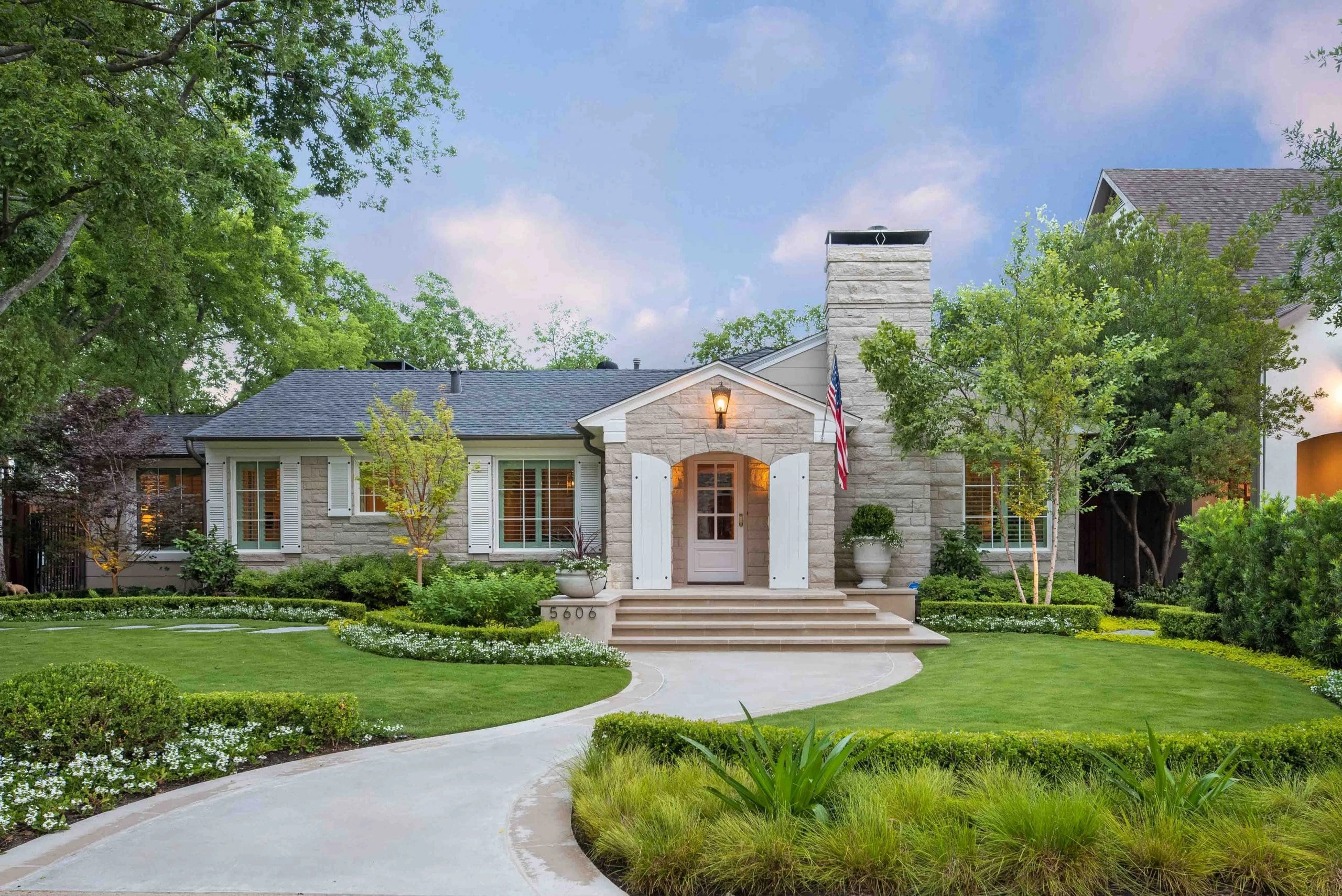
Protect Your Landscape Investment From Georgia Summers
Timberstone Landscape integrates drip irrigation into every significant planting project across Gwinnett, Forsyth, Hall, and surrounding counties. Free estimates available.
Call (678) 356-7952