
How Multi-Level Patios Solve the Slope Problem in Georgia Backyards
Georgia's piedmont topography is characterized by rolling terrain that makes flat backyards the exception rather than the rule across Gwinnett, Forsyth, Hall, Cherokee, Barrow, and surrounding counties. Homeowners who look at a sloped backyard and see a problem are looking at the same property that an experienced design-build contractor sees as an opportunity for a more interesting and functional outdoor living system than anything a flat lot could accommodate. The multi-level patio approach is the solution — and it's a design methodology with centuries of precedent in landscape design traditions that recognized long ago what Georgia homeowners are discovering now.
The slope doesn't need to be eliminated — it needs to be organized. Retaining walls create the level platforms. Those platforms become the distinct outdoor rooms. The transitions between them become intentional design moments: broad steps, small landings, changes in paving material that signal the shift from one use area to another. What was unusable, eroding grade becomes a layered outdoor living system that increases both the functional square footage and the visual complexity of the property.
The Design ApproachReading the Grade — How Terrace Levels Get Determined
The starting point for multi-level patio design in a Georgia backyard is a careful reading of the existing topography. Where does the grade change, and how much? Are there natural flattening zones that suggest existing terrace opportunities? Where does water currently flow during rain events, and how will the terracing redirect those drainage patterns? A topographic assessment — even a simple one done during the initial site walk — prevents the most common multi-level design error: placing terracing levels at positions that require massive earthwork when modest repositioning would work with the natural grade rather than against it.
The general rule for terrace level sizing is that each level should be large enough to accommodate its intended use comfortably. A dining terrace needs a minimum of 12 by 12 feet to accommodate a standard outdoor dining set with circulation — 14 by 16 feet is more comfortable. A secondary lounge or conversation area can function in a 10 by 12 space. A fire pit terrace designed for a group of six to eight needs at least 14 by 14 feet clear of the fire feature. Terraces that are too small for their intended function create frustration rather than the enjoyment the investment was meant to provide.
"The best multi-level designs don't fight the slope — they follow it. The retaining walls go where the grade naturally wants to change, the steps go where you'd naturally want to descend, and the result looks like the yard was always meant to work this way."
Retaining Wall Integration and Stair Design in Multi-Level Systems
The retaining walls in a multi-level patio system serve double duty: structural (retaining the soil behind each terrace level) and design (defining the space visually and providing surfaces that can incorporate landscape planting, built-in seating, or lighting features). The wall material selection for a multi-level system should be made with both functions in mind — a wall block that retains soil effectively but reads as utilitarian infrastructure doesn't serve the design half of the equation.
Techo-Bloc's wall product lines, available through certified preferred contractors, offer surface textures that read as natural stone while providing the engineered structural characteristics — consistent dimensions, calculated batter angles, geogrid compatibility — that proper retaining wall construction requires. The range of textures and colorways available coordinates with the paving products used on each terrace level, creating a unified material palette across the full multi-level system rather than a collection of disconnected elements.
- Dining terrace minimum 12×12 feet; 14×16 is comfortable — size each level to accommodate its intended use before designing the wall locations
- Retaining walls in multi-level systems require the same engineering as any wall — drainage aggregate, geogrid at appropriate heights, proper foundation depth
- Stair proportions (7-inch riser, 11-inch minimum tread) must be maintained at every level transition — comfort is not optional
- Drainage design at each level must account for water collected on all upper levels — each terrace needs a positive drainage path
- Landscape planting along wall faces and terrace edges softens the system and makes terraced levels look settled into the property rather than imposed on it
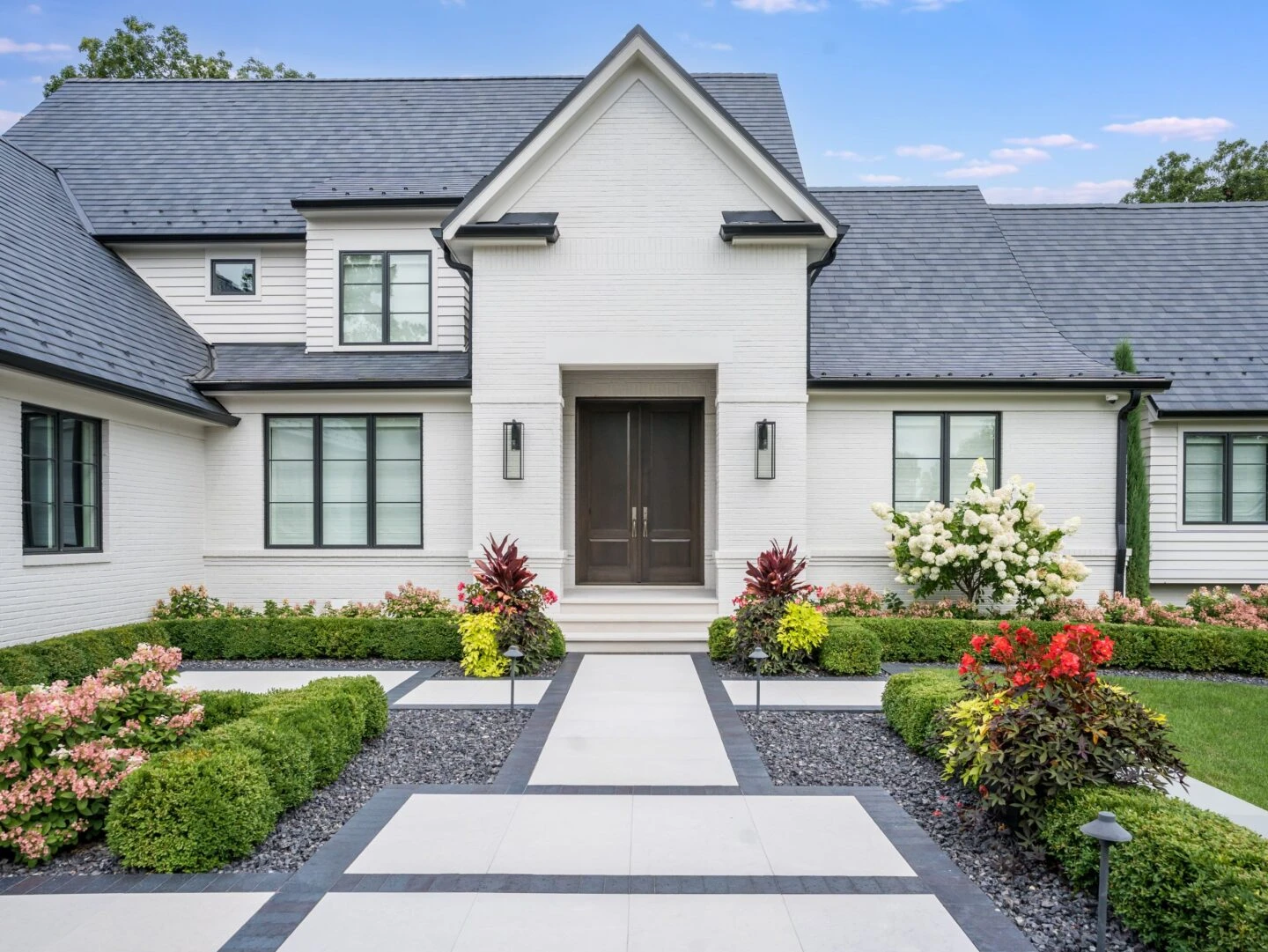
Multi-level patio design in a Georgia backyard — the slope organized into distinct outdoor rooms connected by properly proportioned stair transitions.
What Georgia Homeowners Building Multi-Level Systems Need to Plan For
Multi-level systems require more planning time than single-level patio projects, and they benefit disproportionately from that investment. The decisions made at the design stage — level positioning, stair location, wall height, drainage routing, material selection — are either well-coordinated or in conflict with each other, and the result of poor coordination is a project that requires expensive mid-construction changes or produces a finished outdoor space that doesn't function the way it was intended.
The structural aspects of multi-level design — retaining wall engineering, drainage integration, stair construction details — require contractor experience with this specific project type. A contractor who builds single-level patios well but doesn't have extensive multi-level experience will approach the engineering conservatively or incorrectly, and the result will show. The technical complexity of a well-executed multi-level system is real, and selecting a contractor who does this work regularly is the most important project variable.
Timberstone Landscape designs and builds multi-level patio and retaining wall systems throughout the Northeast Atlanta region — Gwinnett, Forsyth, Hall, Barrow, Cherokee, and Fulton counties — from our base in Grayson, Georgia. As a Techo-Bloc Preferred Contractor, we build wall systems engineered to hold and designed to look intentional. Our hardscaping services include multi-level design and installation as a core competency, and our design-build process ensures every level, wall, and stair is planned before the first excavation begins.
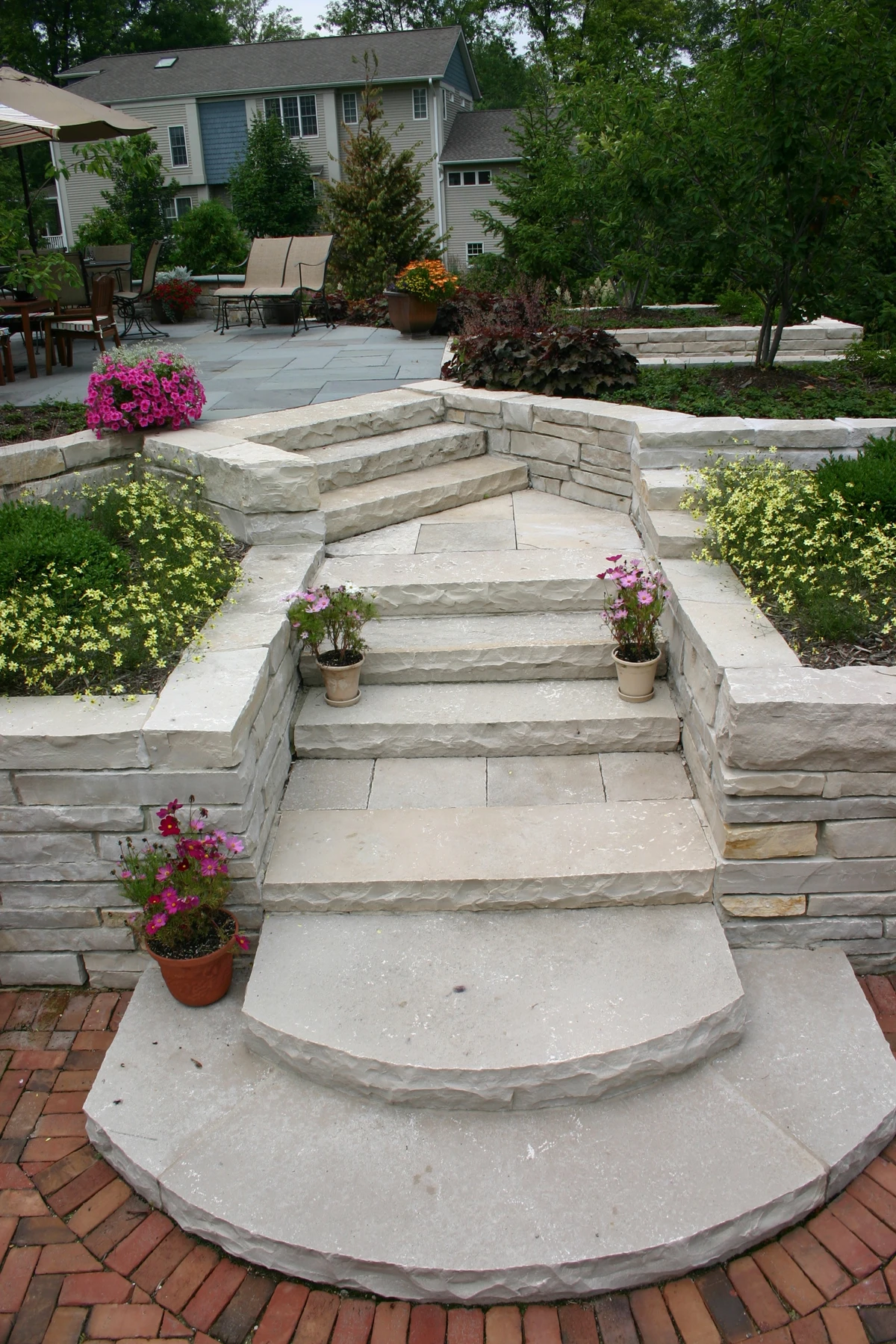
A Georgia slope transformed into a multi-level outdoor living system — every grade change working for the design rather than against the homeowner's use of the space.
Turn Your Georgia Slope Into an Outdoor Living System
We serve all of Northeast Atlanta. Free consultation — we'll read your grade and show you what multi-level design could create on your property.
Request a Free ConsultationTimberstone Landscape is based in Grayson, Georgia and serves the greater Northeast Atlanta region within 40 miles: