
The Right Way to Seal Pavers in Georgia's Hot and Humid Climate
Paver sealing in Georgia is one of those maintenance tasks that homeowners approach with good intentions and frequently get wrong — not because the process is complicated, but because the specific requirements around timing, humidity, temperature, and product selection are rarely explained accurately. Sealing at the wrong time of year, over a surface with residual moisture, or with the wrong product type can trap efflorescence, create a hazy white film that is difficult to remove, or apply a coating that peels within a year. Done correctly, sealing extends the life of polymeric joint sand, enhances color depth, and dramatically reduces weed germination and staining for three to five years.
Georgia's climate creates the most demanding sealing conditions in the continental United States for a single reason: humidity. The Southeast's ambient humidity levels mean that concrete pavers — which are porous by nature — rarely achieve the surface dryness required for quality sealer adhesion through the summer months alone. Understanding the humidity window that makes sealing work, and the product characteristics that perform in Georgia's conditions, is what separates a sealing job that holds for five years from one that fails visually within twelve months.
Timing and ProductThe Humidity Window — When Georgia Pavers Can Actually Be Sealed
The operational window for paver sealing in Georgia is the fall and early spring — specifically the periods when ambient humidity drops consistently below 70 percent for enough consecutive days that pavers can dry to the surface and subsurface depth required for proper sealer penetration. In practical terms, this means October through early December and March through early May are the reliable sealing months in the Northeast Atlanta area. Attempting to seal during July or August — when humidity frequently exceeds 80 to 90 percent — produces a coating that doesn't bond correctly and will fail prematurely.
Temperature is the second constraint. Solvent-based sealers require air temperatures above 50°F and below 90°F for proper application and curing. Water-based sealers have similar temperature requirements, though they're more sensitive to high humidity than to temperature alone. Both product types require that no rain is forecast within 24 hours of application and that the surface has been dry for a minimum of 48 to 72 hours. In Georgia's unpredictable shoulder seasons, this means watching the five-day forecast rather than just checking the day before.
"Sealing pavers in Georgia in July is almost guaranteed to produce a bad result. The humidity is too high for the sealer to bond correctly, and a sealer applied over residual surface moisture will cloud and peel. Waiting for October is not patience — it's the correct technical decision."
Penetrating vs. Film-Forming Sealers — The Right Choice for Georgia Applications
The product type decision matters as much as the timing decision. Penetrating sealers — which infiltrate the paver surface without forming a visible surface film — are the standard recommendation for most Georgia residential applications because they don't alter the surface texture or sheen, they don't peel, and they don't require the surface preparation quality that film-forming products demand. Penetrating sealers provide meaningful protection against oil staining, weed germination in joints, and efflorescence migration without the maintenance overhead of a film-forming coating.
Film-forming sealers — which create a visible coating on the paver surface — are appropriate for homeowners who want color enhancement or a wet-look appearance. They significantly deepen the color of most concrete paver products and create a more formal, richer appearance. The tradeoff is that film-forming products do eventually peel, particularly in Georgia's UV exposure conditions, and require stripping and re-application when they fail rather than the simple reapplication that penetrating sealers allow. For most residential applications in Northeast Atlanta, a high-quality penetrating sealer with UV inhibitors is the better long-term choice.
- Sealing window in Georgia: October–early December and March–early May — humidity below 70% is the key requirement
- Surface must be dry for 48–72 hours minimum before sealing — not just visually dry, but dry through the paver thickness
- Penetrating sealers are the standard recommendation for most Georgia residential applications — they don't peel and don't require stripping
- Film-forming sealers provide wet-look color enhancement but will eventually peel under Georgia's UV exposure and require stripping to re-apply
- Sealing stabilizes polymeric joint sand and dramatically reduces weed germination in joints — this alone is worth the maintenance cycle
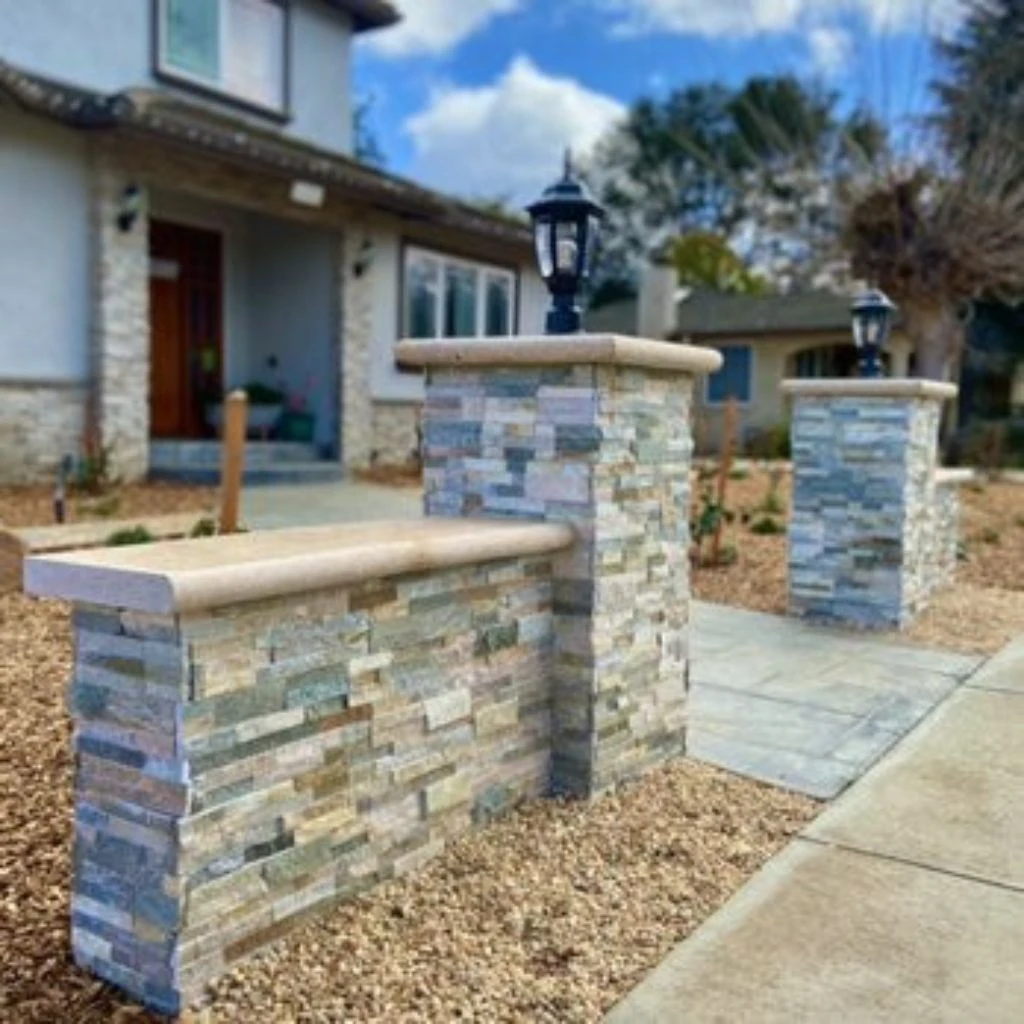
Sealing in the correct humidity window — Georgia's fall and early spring months provide the conditions that allow sealer to bond and perform correctly.
Color Enhancement, Weed Resistance, and the Practical Benefits of Sealing
The color enhancement effect of paver sealing is the most immediate visual benefit — particularly with penetrating sealers that have color-enriching formulations. Fresh concrete pavers in Georgia typically show some weathering and lightening within the first year as efflorescence works through the surface, and a quality sealer applied after this initial weathering period enriches the color depth closer to the original installed appearance. This effect is most pronounced on darker-colored pavers where the difference between sealed and unsealed is visible from a distance.
Weed and moss resistance is the functional benefit that most Northeast Atlanta homeowners notice most in their annual maintenance routine. Unsealed joints allow weed seeds to germinate in the polymeric sand, particularly in shaded areas where organic material accumulates. A sealed joint surface — even a sealed penetrating sealer that doesn't film over the joint entirely — creates enough of a barrier to reduce germination dramatically. Homeowners who seal consistently report a maintenance difference that's worth the three to four hour annual task without question.
Timberstone Landscape is based in Grayson, Georgia and serves hardscaping clients throughout the Northeast Atlanta region — Gwinnett, Forsyth, Hall, Fulton, Cherokee, Barrow, and Walton counties. As a Techo-Bloc Preferred Contractor, we provide sealing guidance for every project we build and offer sealing service as part of our ongoing maintenance program. Our hardscaping services include long-term maintenance planning, and our design-build process includes a sealing consultation as part of project completion.
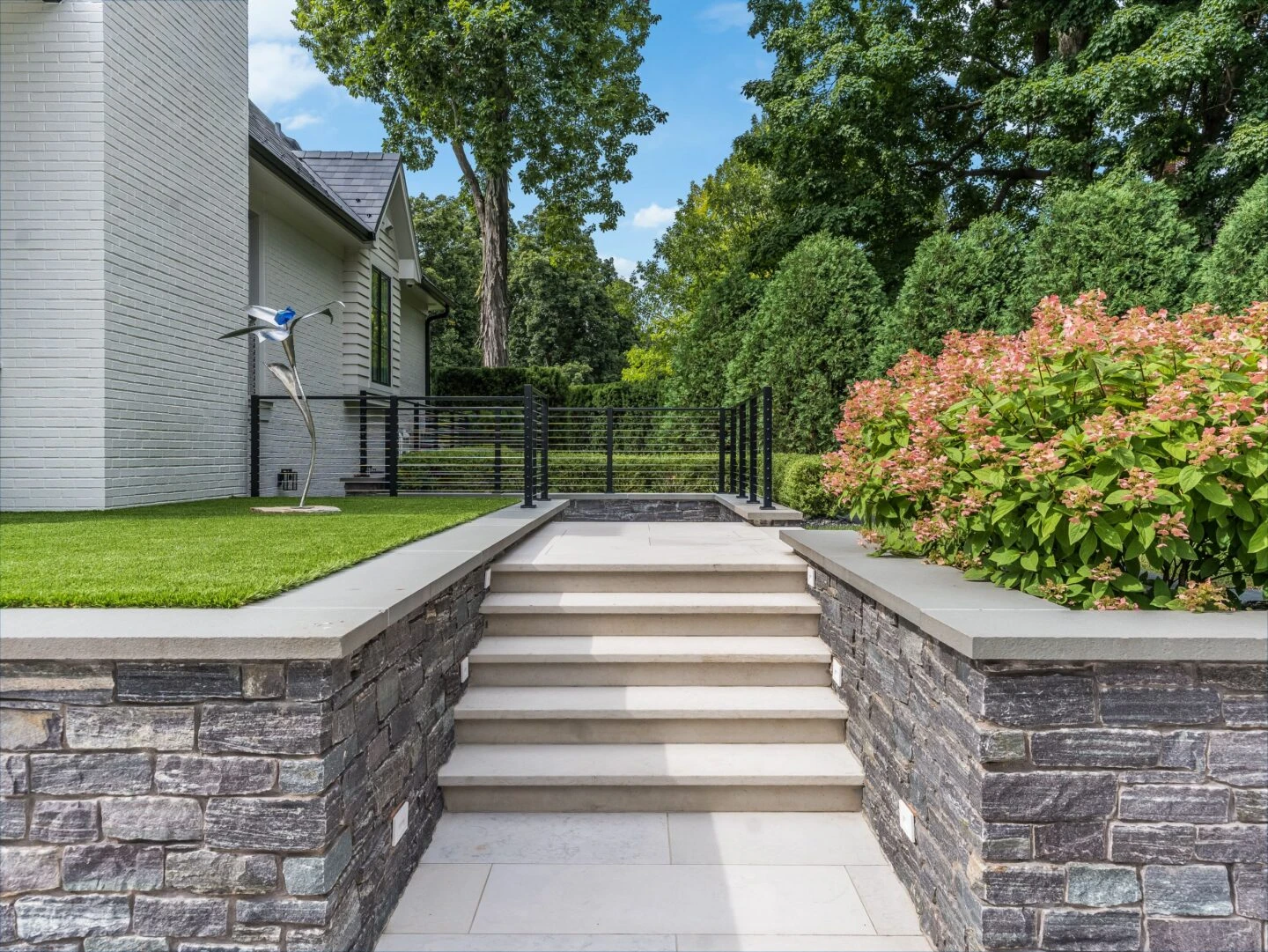
Sealed pavers in Georgia — color depth enhanced, joint sand stabilized, weed and stain resistance dramatically improved for three to five years of maintenance-free appearance.
Get Your Georgia Pavers Sealed Correctly
We serve all of Northeast Atlanta. New installation or existing paver sealing — free consultation on timing, product, and application for your specific project.
Request a Free ConsultationTimberstone Landscape is based in Grayson, Georgia and serves the greater Northeast Atlanta region within 40 miles: