
What Loganville GA Homeowners Should Know Before Installing Pavers
Paver installation looks straightforward from a distance — pavers come in, old concrete comes out, and a beautiful patio appears. The reality is that what happens below the surface in those first few days of a project determines whether that patio looks the same in ten years as it does in ten days. Loganville homeowners who understand the five critical decisions before signing a contract are the ones who end up with installations they're still satisfied with a decade later.
Loganville sits at the Gwinnett-Walton county line, and its residential landscape ranges from long-established neighborhoods with varied soil profiles to newer subdivisions with subgrade conditions that weren't always well-documented. The installation decisions that matter most aren't ones you can assess by looking at a paver sample — they happen in the ground, before a single paver is ever set.
Decision OneBase Depth — The Number That Determines Everything
The most common failure mode in residential paver installations is an undersized base. Georgia's clay-heavy soils expand when saturated and contract when dry — a cycle that repeats every season and places continuous stress on anything built above it. A compacted aggregate base of six to eight inches, properly graded and mechanically compacted in lifts, is what separates installations that remain level from those that begin settling and shifting within two to three years.
Budget installations frequently cut base depth to four inches or less. The savings are real in the short term — less excavation, less material, faster installation. The cost over time is a patio that requires releveling every few years and eventually needs full reconstruction. The base is invisible once the job is done, which is exactly why it's where corners get cut most often. Ask any contractor you're considering to specify the base depth and compaction method in writing before you proceed.
"The paver you choose is the least important decision in the project. The base preparation underneath it is the most important — and the one you'll never be able to see after day one."
Drainage, Material, Contractor Qualification, and Edge Details
Drainage planning is the second decision, and it interacts directly with base depth. A paver system that drains properly — either through permeable jointing or strategic positive slope away from the structure — eliminates the standing water that accelerates base erosion and creates heaving in Loganville's freeze-thaw season. Every patio should have a designed drainage path. If a contractor doesn't mention drainage in their scope of work, that's a problem.
Material selection for Loganville properties involves more than aesthetics. Concrete pavers rated at 8,000 PSI or higher resist the surface scaling that lesser products develop after three or four Georgia summers. Clay brick pavers have their own appeal but require specific installation techniques. Porcelain pavers offer outstanding color stability but demand a more rigid installation system. Each choice carries different long-term maintenance implications, and matching the material to both the application and the homeowner's maintenance appetite matters.
- Base depth minimum 6–8 inches of compacted aggregate — verify this in writing before any project begins
- Drainage design must be part of every scope — positive slope away from structure or permeable system
- Material PSI rating of 8,000+ for driveways; 6,000+ acceptable for patios and walkways
- Contractor should hold manufacturer certification — Techo-Bloc Preferred Contractor status is a meaningful credential
- Edge restraints must be mechanically fastened — plastic spikes every 12 inches minimum along all perimeter edges
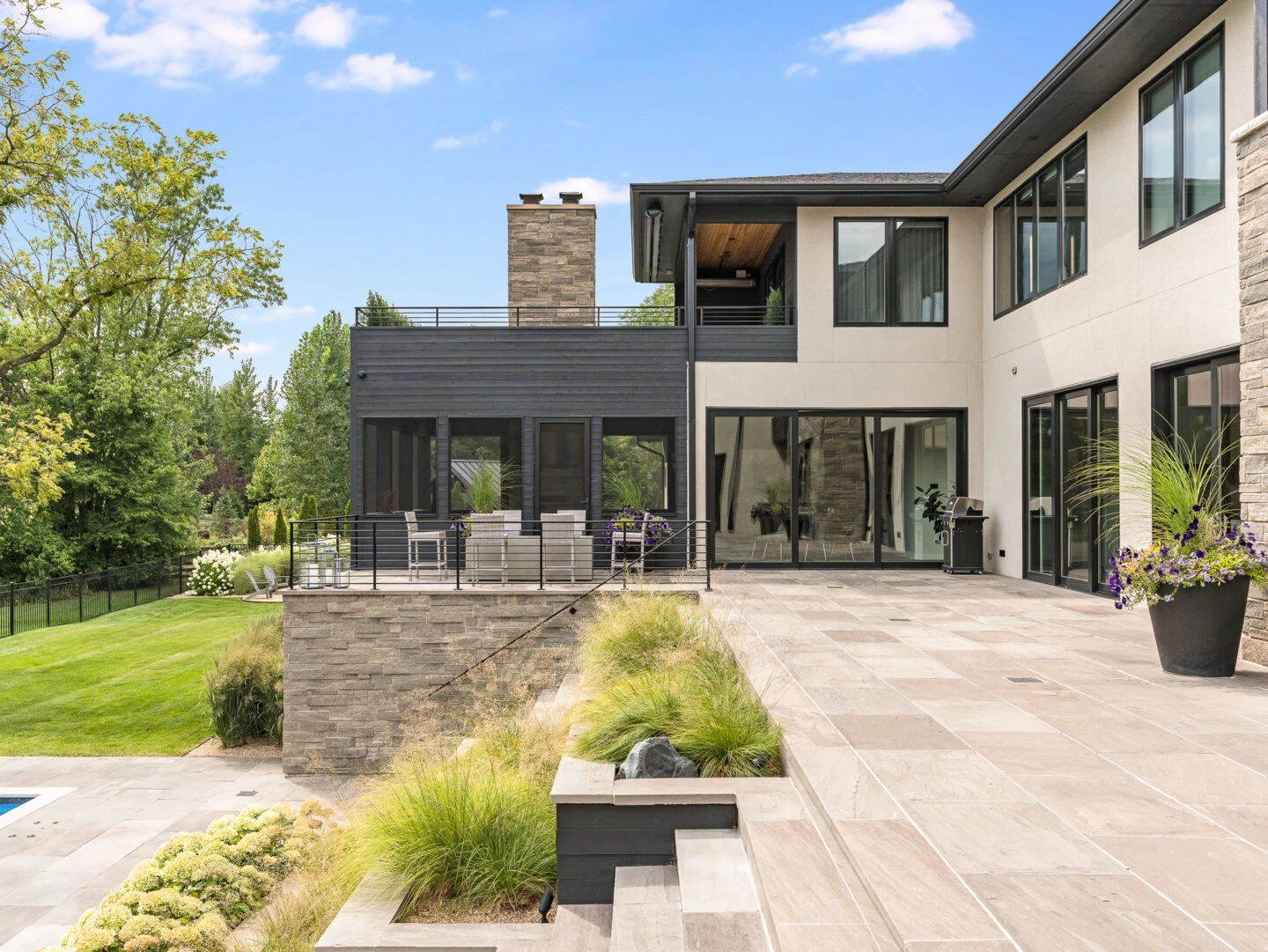
Base preparation — compaction, depth, and drainage slope — is the phase of paver installation that determines the project's long-term performance.
Edge Details and Why They Matter as Much as the Center
Edge restraints are the final decision that separates installations that hold together from those that creep and spread over time. An unsecured paver edge will migrate — the pavers at the perimeter shift outward under foot traffic and thermal cycling, which creates gaps in the field, causes individual units to rock, and eventually allows the entire installation to lose its structural integrity. Mechanical edge restraints, properly spiked into the subbase at close intervals, prevent this migration permanently.
The final joint sand selection is equally important. Polymeric sand — which hardens when activated with water — resists weed germination, insect penetration, and washout in rain events far better than standard joint sand. It adds modest cost to a project and pays for itself quickly in reduced maintenance and enhanced paver stability over time.
Timberstone Landscape serves Loganville and the surrounding Walton and Gwinnett County areas as part of our Northeast Atlanta service territory. We're based in Grayson, Georgia, and our team brings the same rigorous base preparation and drainage standards to every project regardless of scope. As a Techo-Bloc Preferred Contractor, we install only products engineered to outperform standard concrete alternatives. Explore our hardscaping services or learn about our design-build process to understand how we approach projects from the ground up.
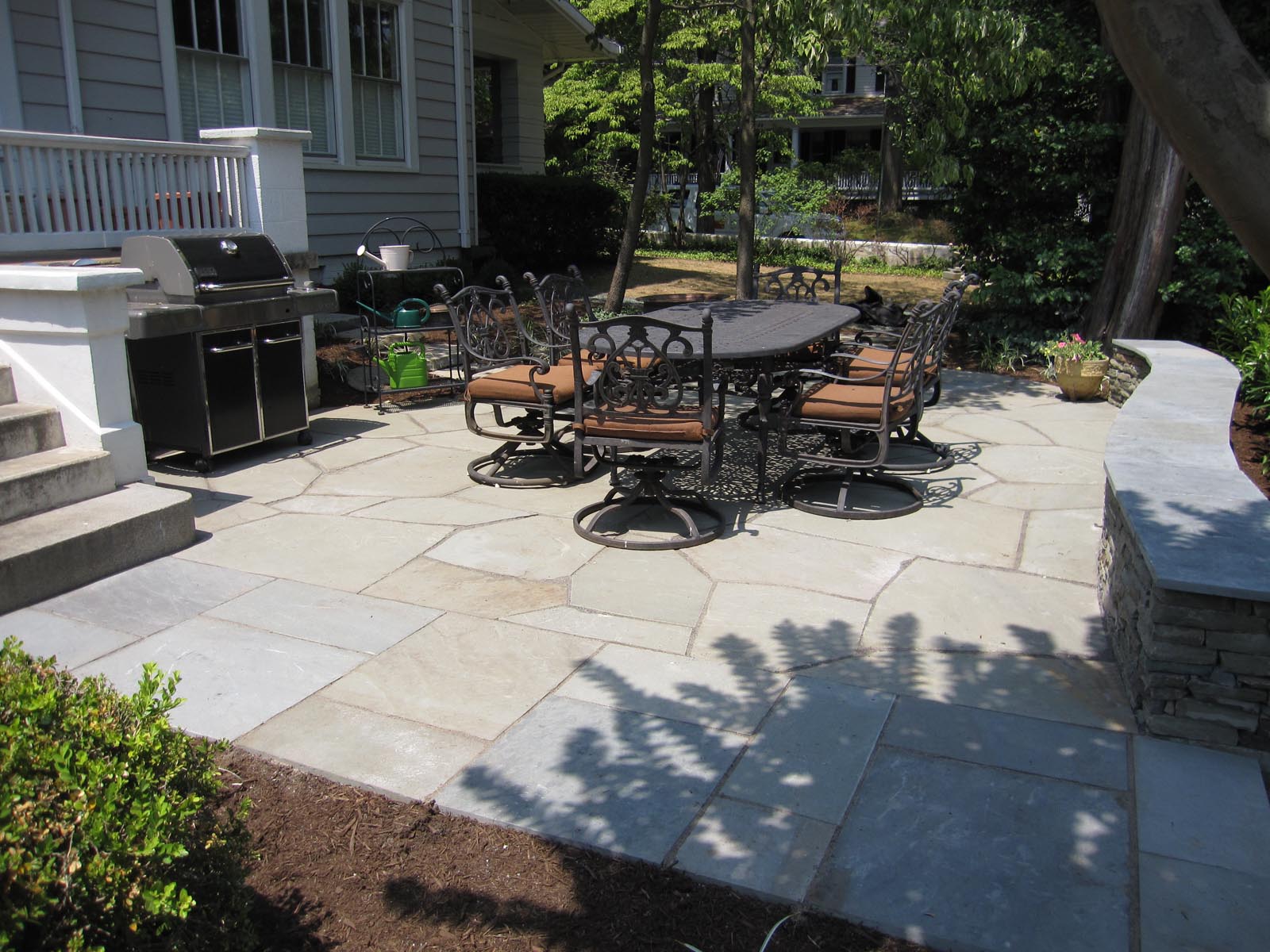
Proper edge restraint installation prevents paver migration — every perimeter inch matters as much as the center of the field.
Get an Honest Assessment of Your Paver Project
We serve Loganville, Walton County, and all of Northeast Atlanta. Free on-site consultations — no pressure, no guesswork.
Request a Free ConsultationTimberstone Landscape is based in Grayson, Georgia and serves the greater Northeast Atlanta region within 40 miles: