
What Color Temperature Means for Georgia Outdoor Lighting — And Why It Changes Everything
Color temperature is the single most misunderstood specification in outdoor lighting — and the one that most dramatically affects whether a Georgia backyard feels inviting, clinical, or garish at night. Most homeowners think about brightness. Lighting designers think about color temperature first. The two fixtures can produce identical lumen output but create completely different outdoor environments depending on where they sit on the Kelvin scale.
Georgia's outdoor environments — warm-toned natural stone, red brick, lush green foliage, golden travertine — are served by specific color temperature ranges that make those materials glow and deepen. Install the wrong color temperature and a $50,000 hardscape project looks muddy, washed out, or sterile under artificial light. Install the right temperature and the same space transforms into something beautiful after dark. Color temperature is a design decision, not a technical afterthought.
The Kelvin Scale and What It Means Outdoors
Understanding the ScaleColor temperature is measured in Kelvins (K). Lower numbers produce warmer, more amber-toned light — closer to candlelight. Higher numbers produce cooler, bluer light — closer to overcast daylight or fluorescent office lighting. For outdoor residential applications, the relevant range is roughly 2700K to 4000K, and the differences within that range are visually significant.
- 2700K (warm white): The gold standard for entertainment and residential outdoor spaces. Creates a warm amber glow that flatters skin tones, deepens the color of natural stone and wood, and produces the most inviting atmosphere for evening gatherings. Most landscape lighting professionals default to 2700K for all zones where people spend time.
- 3000K (soft white): Slightly cooler than 2700K, this temperature works well for areas where visual clarity matters — outdoor cooking zones, step lighting — while still remaining warm enough for residential settings. A common specification for outdoor kitchen task lighting.
- 3500K–4000K (neutral to cool white): More appropriate for commercial or security applications. In residential outdoor settings, this temperature reads as harsh and institutional. Avoid it for any zone where mood or atmosphere matters. Acceptable for security flood lighting at property perimeters where visual deterrence is the goal.
"Georgia's most beautiful outdoor materials — travertine, Techo-Bloc engineered stone, natural wood pergola beams — glow warmest under 2700K light. That single specification choice is worth more to the final result than any fixture brand or brightness level."
How Color Temperature Interacts With Georgia's Landscape Materials
Material InteractionsThe color temperature of landscape lighting doesn't exist in isolation — it interacts with the color and texture of every surface it illuminates. Warm 2700K light on tan or beige travertine produces a rich golden tone that looks expensive and natural. The same 2700K light on a gray concrete block wall reads as slightly orange — less flattering. In that application, 3000K produces a more neutral rendering that lets the gray tones of the material show correctly.
Green plant material responds differently across the temperature range as well. Warm 2700K light on dark green foliage produces deep, rich tones that complement evening atmosphere. Cooler 4000K light on the same foliage reads as slightly artificial — the greens become brighter and less natural. For uplighting trees and planting beds in Georgia's lush landscape environments, warm white consistently outperforms cool white.
Why Timberstone Specifies Color Temperature by Zone
The Timberstone ApproachTimberstone Landscape designs outdoor lighting with color temperature specified zone by zone across properties in Grayson, Lawrenceville, Suwanee, Buford, and throughout Northeast Atlanta. As a Techo-Bloc Preferred Contractor (Techo-Pro), Victor and the Timberstone team understand that the same hardscape materials can look dramatically different depending on the color temperature of the light illuminating them — and that specification is made deliberately, material by material, zone by zone, in every project Timberstone lights.
The result is outdoor lighting that feels cohesive, warm, and beautiful — not a collection of fixtures aimed at surfaces without a coordinating vision. That's the difference between a lighting installation and a lighting design.
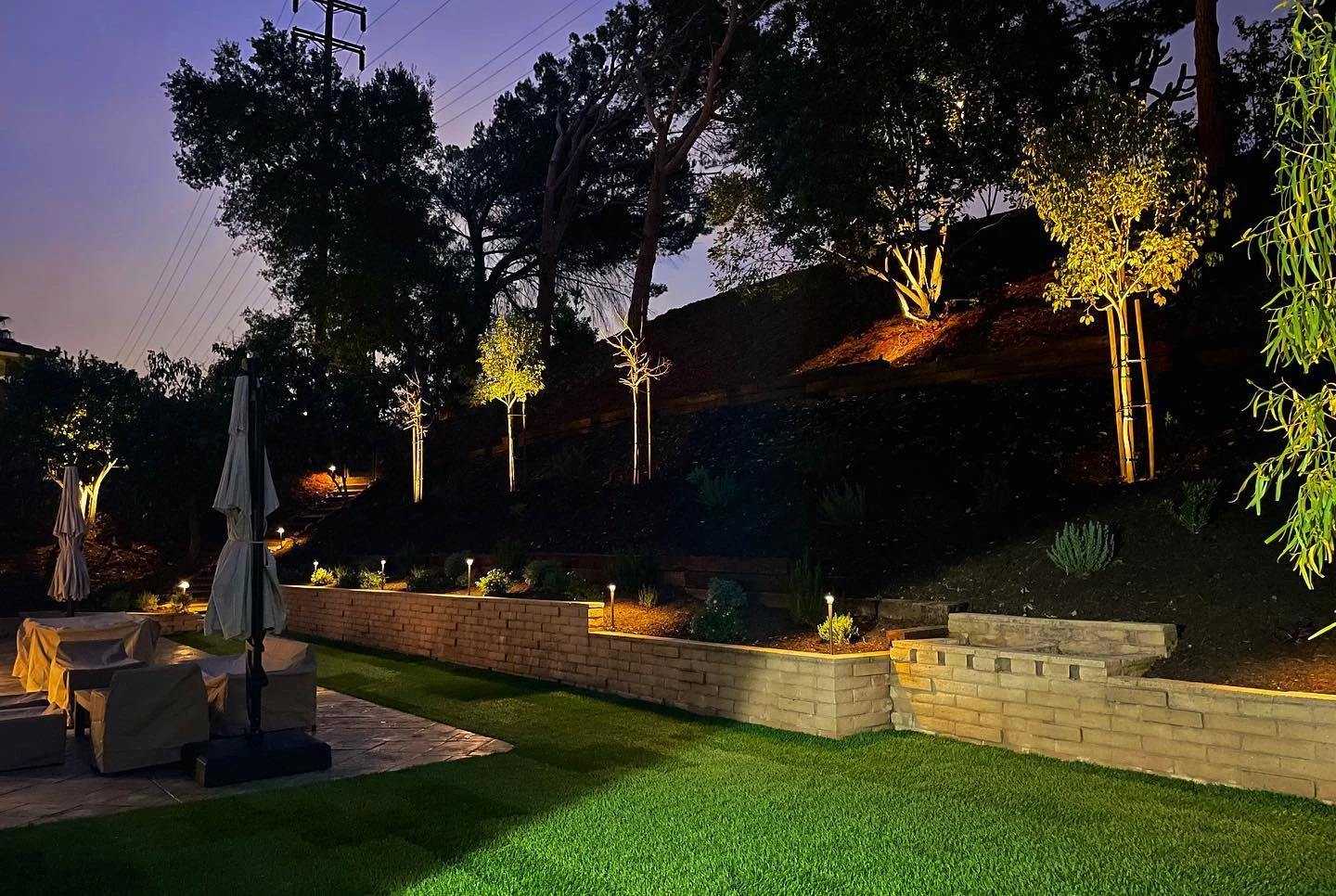
2700K warm white lighting reveals the richest tones of Georgia's natural stone, travertine, and warm-toned hardscape materials after dark.
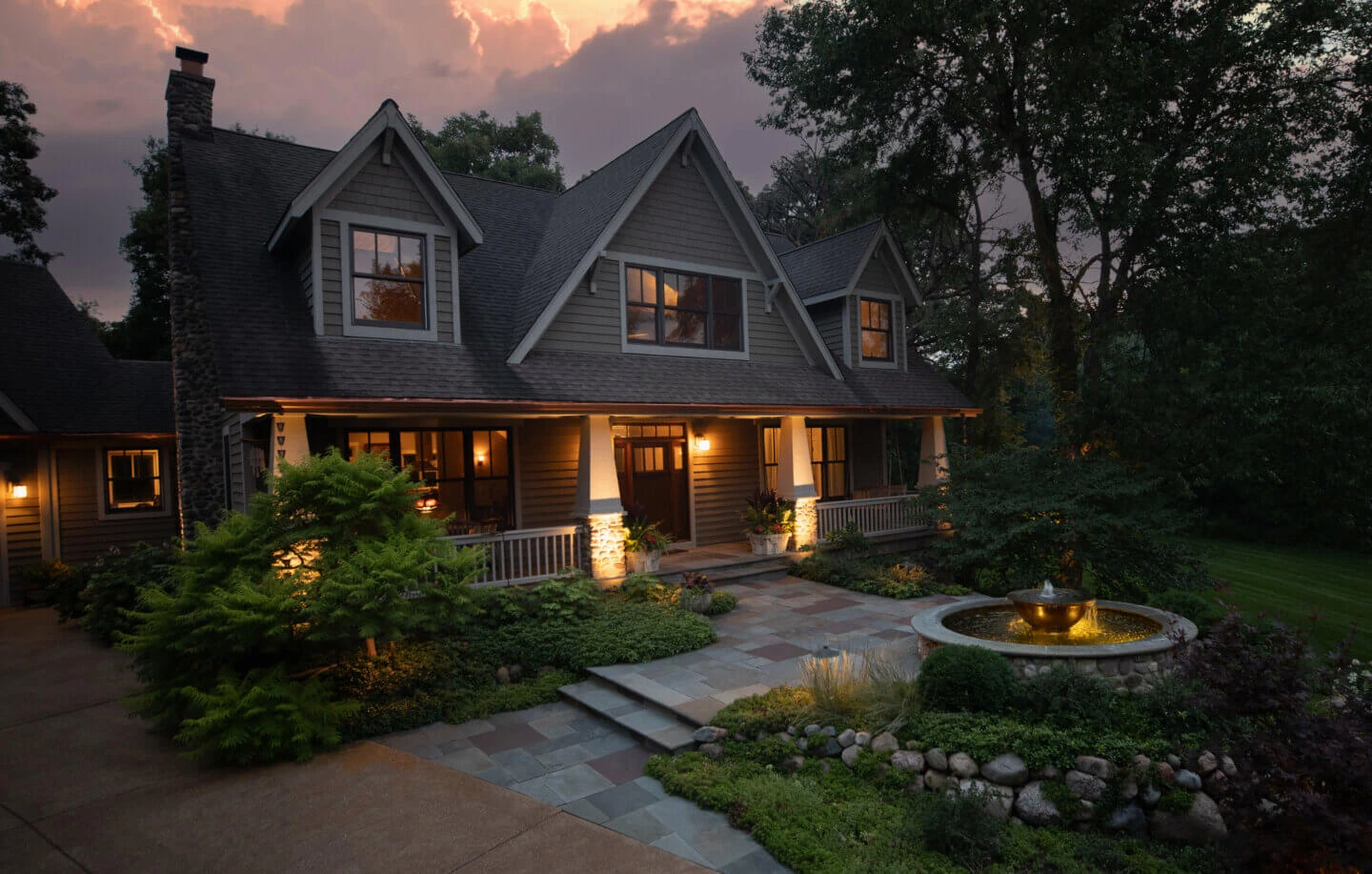
Professional Outdoor Lighting That Transforms Georgia Properties
Timberstone Landscape serves Grayson, Lawrenceville, Buford, Suwanee, and throughout Northeast Atlanta. Free lighting consultations available.
Get a Free Estimate