
Why Pergola Kits From Big Box Stores Fail in Georgia's Climate and Weather
Big box store pergola kits are attractive at the price point — a 12x12 cedar or cedar-look pergola kit for $1,500 to $4,000 versus a custom-built pergola at $10,000 to $30,000 is a difference that many Georgia homeowners find compelling. But the failure modes of these kits in Georgia's climate are predictable and well-documented among the contractors who are called to replace them. Understanding what the kit compromises — and why those compromises matter in Georgia specifically — clarifies the real cost comparison.
Big box pergola kits are engineered to a price point, not to a performance standard. The lumber, the hardware, the post anchoring method, and the assembly design are all specified to minimize production cost while meeting the minimum structural requirements for the kit to pass initial quality control. In Georgia's climate — characterized by intense UV, high humidity, significant rainfall, and seasonal wind events — those minimum specifications produce a structure that begins to show failure within two to three seasons and typically requires replacement within five to seven years.
Structural DeficienciesUndersized Lumber: 4x4 Posts Where 6x6 Is Required
The most visible structural deficiency in big box pergola kits is undersized posts. Standard kits use 4x4 posts as the primary vertical structural members. A 4x4 post has a cross-sectional area of 12.25 square inches. A 6x6 post has a cross-sectional area of 30.25 square inches — nearly two and a half times the material. Structural engineers specify 6x6 posts as the minimum for freestanding pergola posts in most residential applications, particularly for spans over 10 feet and in climates with meaningful wind load requirements.
Georgia's wind loading is not trivial — convective storms that produce 50 to 70 mph wind gusts occur regularly in Northeast Atlanta's counties, particularly during afternoon thunderstorm activity from May through September. A pergola with 4x4 posts anchored with surface-mount hardware (the standard kit approach) has minimal resistance to lateral wind load. The posts flex under wind pressure in ways that loosen the connector hardware and create racking forces that propagate through the entire structure. After two or three seasons of this, the structure develops visible lean that cannot be corrected without disassembly and reinstallation — which at that point typically costs more than the original kit.
"A big box kit pergola built with 4x4 posts on surface-mount hardware is a temporary structure in Georgia's climate. Custom-built pergolas are built to last."
Post Anchoring, Connector Hardware, and What Custom Builds Do Differently
Big box pergola kits anchor posts to the surface using surface-mount post base hardware — a metal bracket that is bolted to the patio surface and receives the post bottom. This approach has a fundamental structural limitation: the anchor bolt pattern is loaded in tension when the post is pulled upward by wind uplift and in shear when the post is pushed laterally by wind pressure. The concrete patio anchor bolt can fail under both of these loads when they occur simultaneously in a wind event. Professional pergola installation uses concrete footings — the post is set in a concrete footing that extends 24 to 36 inches below grade. The concrete footing provides resistance to both uplift and lateral load that no surface-mount anchor can replicate.
Connector hardware in big box kits is typically galvanized or zinc-coated steel that begins to show rust in one to two seasons of Georgia's humidity. Stainless steel or hot-dip galvanized connectors — the specification for permanent outdoor structural hardware — last indefinitely without rusting. Timberstone Landscape, based in Grayson and serving Gwinnett, Forsyth, Hall, Jackson, Fulton, DeKalb, Walton, Barrow, and Cherokee counties, builds pergolas with 6x6 posts, concrete footings, and appropriate structural connector hardware as standard practice — not as upgrades. As a Techo-Bloc Preferred Contractor, Timberstone brings the same structural discipline to covered structures that characterizes our paving work. Our outdoor features and design-build process pages detail how we approach each pergola project.
- Big box kits use 4x4 posts — structural standard for residential pergolas is 6x6 posts minimum
- Surface-mount post anchors fail under Georgia wind uplift and lateral load — concrete footings are required
- Kit connector hardware is galvanized steel that rusts within 1–2 seasons — stainless or hot-dip is the specification
- Lumber in kits is selected to a price point, not a performance standard for Georgia's climate
- Big box kit replacement cost within 5–7 years often exceeds the original cost of a custom-built pergola
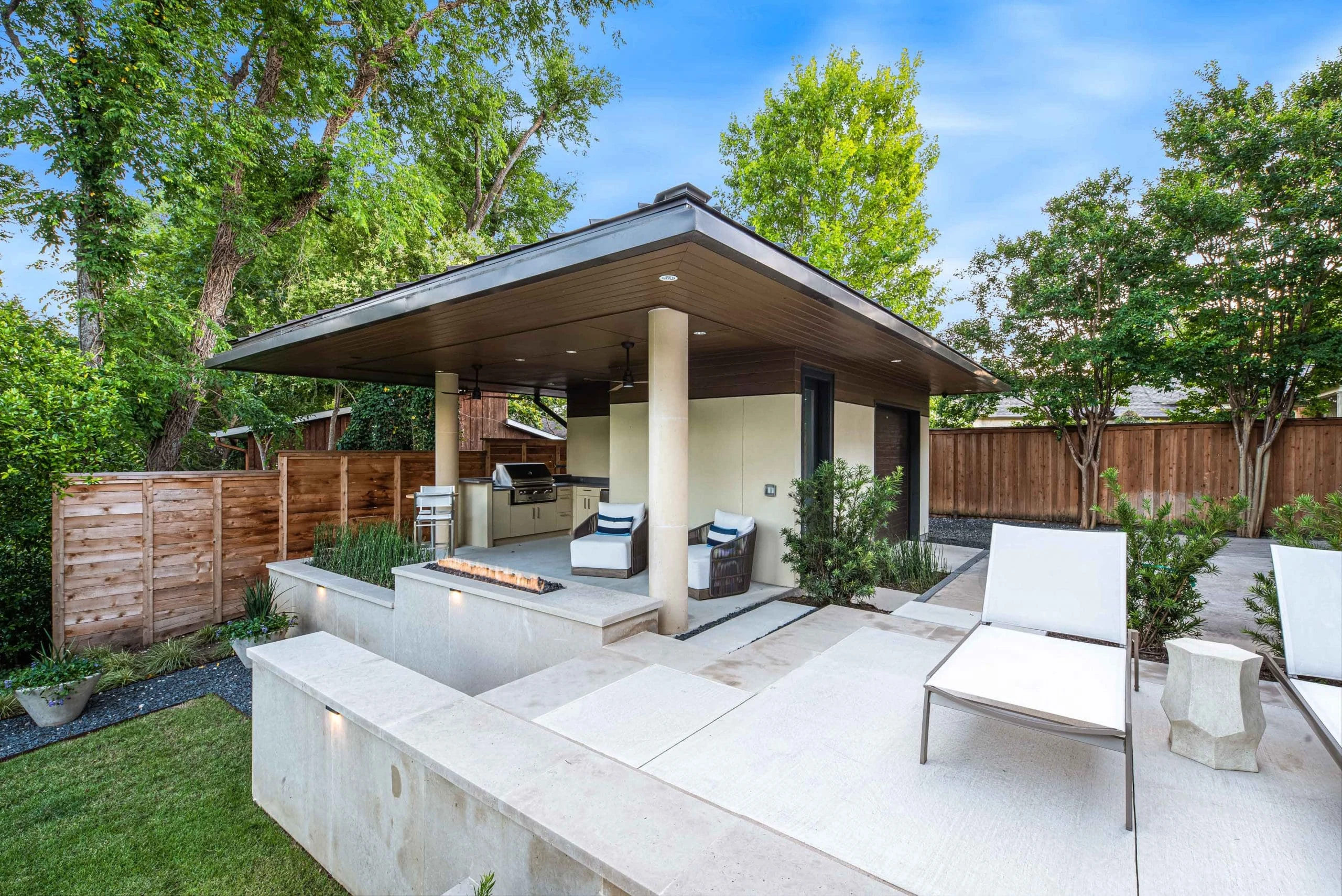
Custom-built pergolas in Georgia use 6x6 posts, concrete footings, and proper structural hardware — the specification that survives Georgia's wind, humidity, and UV across a full design life.
The True Cost of a Pergola Kit vs. a Custom Build Over Time
The total cost of ownership comparison between a big box pergola kit and a custom-built pergola reverses within five to seven years in Georgia's climate. A $2,500 kit that requires $1,500 in repairs after three years and $3,000 in replacement after six years has a seven-year total cost of $7,000 — not counting the labor to install, repair, and replace. A $15,000 custom-built pergola that requires no repairs over the same period and remains fully functional and attractive has a seven-year total cost of $15,000 — but it is still standing at year seven, year fifteen, and year twenty-five without additional investment.
The intangible cost of the kit failure is harder to quantify but real: a pergola that visibly leans, develops rusty hardware, or loses its aesthetic quality within a few years of installation is not an asset to the property — it is a liability that the homeowner must either tolerate or remove and replace. Georgia homeowners who have gone through the kit-to-custom cycle consistently report that the custom build they eventually invest in should have been the first investment. The kit was a temporary cost savings that became a permanent frustration before the custom solution arrived. Timberstone Landscape helps Northeast Atlanta homeowners skip the kit phase entirely with custom-built pergolas specified for Georgia's climate from day one.
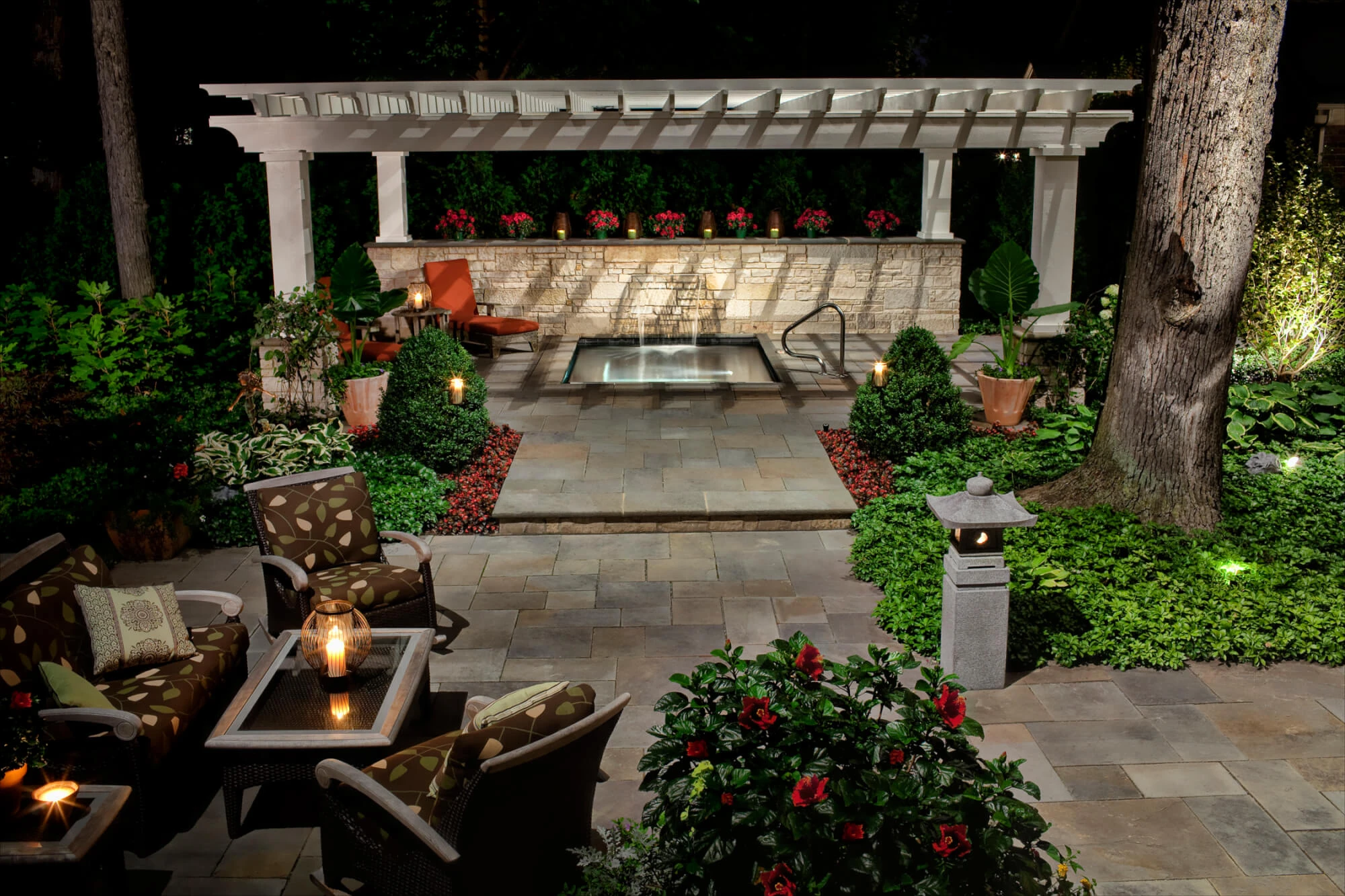
A custom-built pergola specified for Georgia's climate outlasts multiple kit replacements — the total cost of ownership comparison reverses within five to seven years.
Build a Pergola That Outlasts the Kit You Were Considering
Free consultations. Serving Northeast Atlanta within 40 miles of Grayson.
Request a Free ConsultationTimberstone Landscape is based in Grayson, Georgia and serves the greater Northeast Atlanta region within 40 miles: