
Why DIY Retaining Walls in Georgia Fail Within Five Years — And What the Fix Costs
Of all the hardscape projects Georgia homeowners attempt themselves, retaining walls have the highest failure rate and the highest repair costs when they fail. The visible warning signs — bowing, cracking, forward lean — typically appear in year three or four. By year five, most DIY retaining walls in Northeast Atlanta have moved past cosmetic issues into structural problems that require complete removal and professional rebuild.
The failure is almost never visible from the outside at installation. A DIY block wall can look correct and level on day one and still be building toward failure from the moment it's completed. The forces that destroy retaining walls — hydrostatic water pressure, Georgia clay soil expansion, inadequate base embedment — work invisibly over months and years before they become visible problems.
This guide explains the specific failure mechanisms that affect Georgia retaining walls, why DIY builds are particularly vulnerable to them, and what it actually costs to fix a wall that has failed.
The Three Failure Mechanisms Specific to Georgia
Why Georgia Soil Makes This Harder Than It LooksGeorgia's geology — predominantly expansive red clay in Gwinnett, Forsyth, and Cherokee counties — creates retaining wall failure conditions that are more severe than most DIY guides account for:
- Hydrostatic pressure from clay saturation — clay soil absorbs and retains water far longer than sandy or loamy soils. A retaining wall without adequate drainage aggregate behind it holds a saturated clay mass that pushes laterally with enormous and cumulative force. Most DIY walls omit or inadequately size the drainage aggregate layer.
- Freeze-thaw in saturated clay — Georgia's 15 to 20 annual freeze events cause saturated clay to expand and contract. Against a wall face, this repeated expansion accelerates forward movement of the wall face. The effect is small per cycle but cumulative over three to five years.
- Insufficient base embedment — professional wall specifications call for burying the first course of block 6 to 12 inches below grade, depending on wall height. DIY builds frequently reduce this to 2 to 4 inches — creating a wall that can shift forward under soil pressure because the base has insufficient below-grade anchoring.
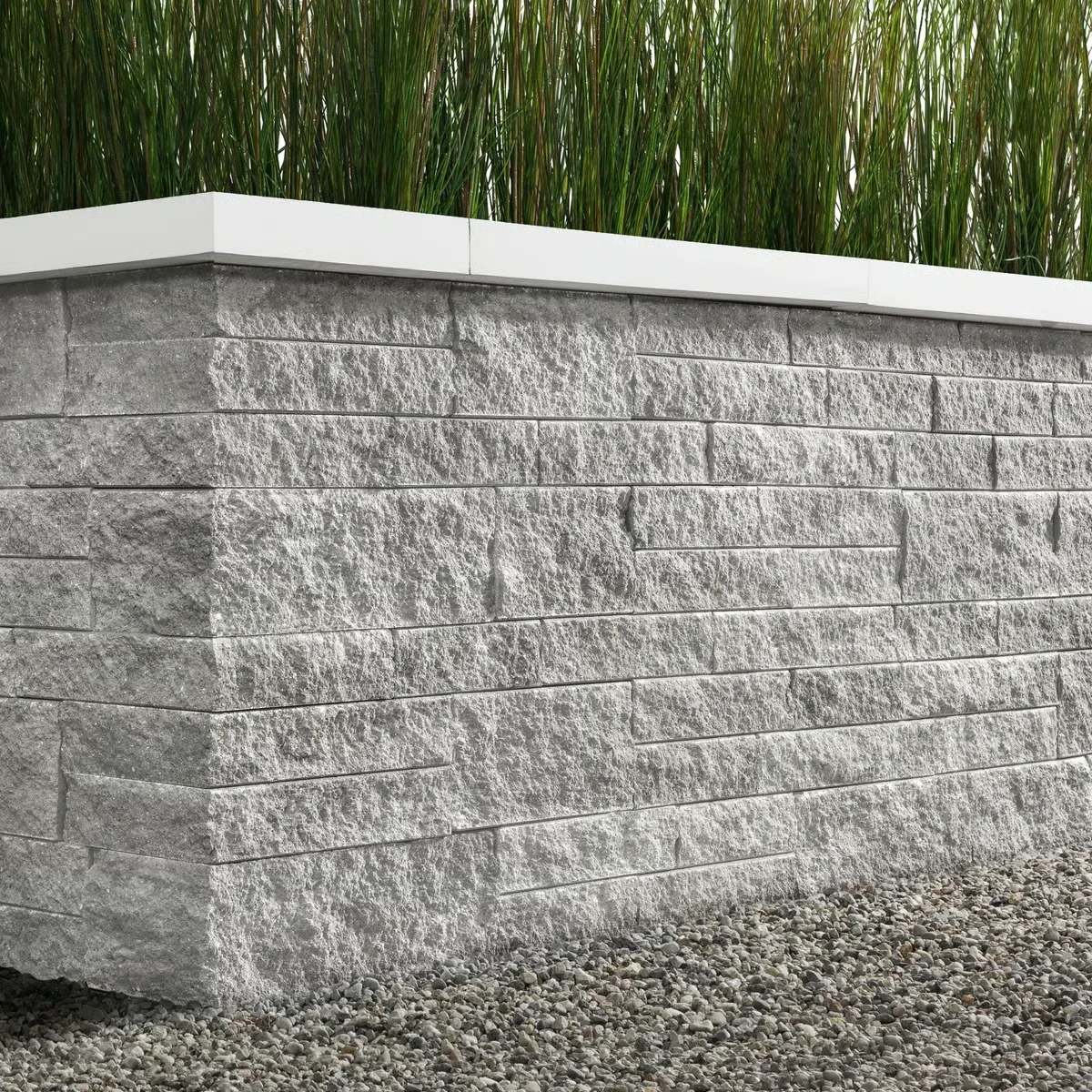
Georgia clay soil creates hydrostatic pressure and freeze-thaw movement that most DIY retaining walls aren't engineered to withstand — the combination produces visible failure within three to five years.
What the Fix Actually Costs
The Real Price of DIY FailureA 20-foot DIY retaining wall that costs $1,200 in materials and a weekend of labor typically costs $4,500 to $9,000 to properly remove and rebuild when it fails — including demolition, material disposal, correct drainage installation, and professional labor. The rebuild costs significantly more than a professional installation would have cost originally, because the remediation work is more complex than new installation.
We rebuild DIY walls regularly. The homeowner saved $2,000 at installation and spent $6,000 to fix it four years later. After the second project, they understand why the first one cost what it did.
For walls above 3 feet in height adjacent to any structure, driveway, or high-traffic area, the risk extends beyond cost: a wall failure can damage adjacent property, vehicles, or the foundation it was built to protect. The combination of liability exposure and remediation cost makes professional installation the only financially rational choice for any retaining wall above knee height in Georgia's soil conditions.
How Timberstone Builds Walls That Hold
Techo-Bloc Preferred Structural StandardsAs a Techo-Bloc Preferred Contractor, Timberstone Landscape builds retaining walls to Techo-Bloc's specified installation standards: correct base embedment depth for each wall height, minimum 12 inches of drainage aggregate behind all wall faces, geogrid reinforcement for walls above 24 inches, and batter angle calculations for each soil condition type. These specifications exist because they reflect what Georgia clay soil actually requires — not what makes a wall look finished on the day it's built. Victor's team serves Grayson, Lawrenceville, Suwanee, Buford, Duluth, Dacula, Alpharetta, Johns Creek, and all of Northeast Atlanta. Call (678) 356-7952.
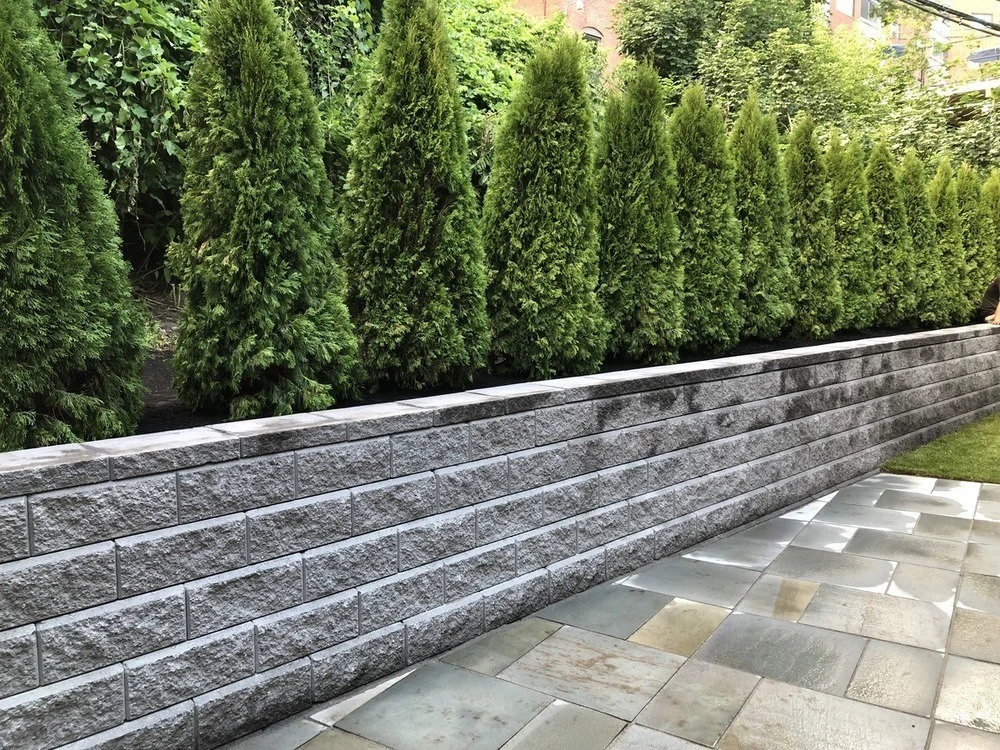
Get a Retaining Wall That Holds — Built for Georgia's Soil
Timberstone Landscape serves Grayson, Gwinnett, Forsyth, Hall, and surrounding Northeast Atlanta counties.
Get a Free Estimate