
What Native Plants Can Do for Northeast Atlanta Landscapes Year After Year
The argument for native plants in Northeast Atlanta landscapes is not primarily an ecological one, though the ecological benefits are real. The argument is practical: native plants evolved in Georgia's specific combination of clay soils, hot and humid summers, periodic summer drought, and mild winters, which means they require substantially less supplemental water, fewer fungicide and pesticide applications, and less intervention than exotic ornamentals asked to survive conditions they were never adapted to.
For homeowners in Gwinnett, Forsyth, Hall, Fulton, and surrounding counties who want landscapes that perform year after year without continuous maintenance escalation, native plant selection is the most reliable path to that outcome. The plants that belong here perform here — not because of any horticultural ideology, but because of basic plant ecology.
Native Plant BenefitsWater Requirements, Disease Resistance, and Long-Term Durability
Established native plants in Northeast Atlanta typically require no supplemental irrigation beyond their first year. This is not true of most exotic ornamentals, many of which require regular irrigation even after establishment because their native range has higher or more consistent rainfall than Georgia's alternating wet and dry pattern. A Bermuda grass lawn in a traditionally irrigated residential landscape may use 60,000 to 80,000 gallons of supplemental water per year in a dry summer. Native plantings surrounding that same property — beautyberry, native azaleas, river oats, black-eyed Susan — survive and flower through the same dry summer on natural rainfall alone after their second season.
Disease resistance follows the same logic. Georgia-native plants co-evolved with the fungal pathogens, insect pressure, and humidity conditions present in the region. Black spot, powdery mildew, and the fungal issues that require annual treatment on many hybrid roses and non-native ornamentals are largely irrelevant to native species in their home range. Native oakleaf hydrangea (Hydrangea quercifolia) thrives in Georgia's humid summers; its exotic Chinese cousins often struggle with mildew and root rot in the same conditions.
"Native plants do not need Georgia to adapt to them — they already belong here. That single fact removes the majority of the maintenance burden that makes exotic ornamentals expensive to keep."
The Five Northeast Atlanta Natives Worth Knowing
Native azaleas (Rhododendron canescens, R. flammeum, and related species) are the flowering shrub equivalent of Georgia's native trees — they evolved in the Piedmont understory and perform in dappled shade without the fungal issues that affect hybrid evergreen azaleas. Their bloom time varies by species from late February through May, and their fall color is genuinely excellent. Native viburnums, particularly Viburnum rufidulum (rusty blackhaw), offer four-season interest: spring flowers, summer fruit, spectacular fall color, and winter structure.
Beautyberry (Callicarpa americana) is the most visually distinctive native shrub in the Southeast — its electric purple berry clusters in August and September are genuinely striking, and the plant requires virtually no care beyond the occasional cut-back in late winter. Black-eyed Susan (Rudbeckia hirta) and its longer-lived cousin, the cutleaf coneflower (Rudbeckia laciniata), provide summer through fall color in full sun with zero supplemental water needs after establishment. River oats (Chasmanthium latifolium) are the native grass answer to Japanese forest grass — they perform beautifully in shaded woodland edges and moist areas where other grasses fail, and they reseed reliably without becoming invasive.
- Native azaleas (Rhododendron canescens/flammeum): understory blooms February–May, excellent fall color
- Oakleaf hydrangea (H. quercifolia): summer blooms, peeling bark, spectacular fall color
- Beautyberry (Callicarpa americana): August–September purple berries, minimal maintenance
- Black-eyed Susan (Rudbeckia hirta): summer through fall color, full sun, zero irrigation after establishment
- River oats (Chasmanthium latifolium): shade-tolerant native grass, woodland edges and moist zones
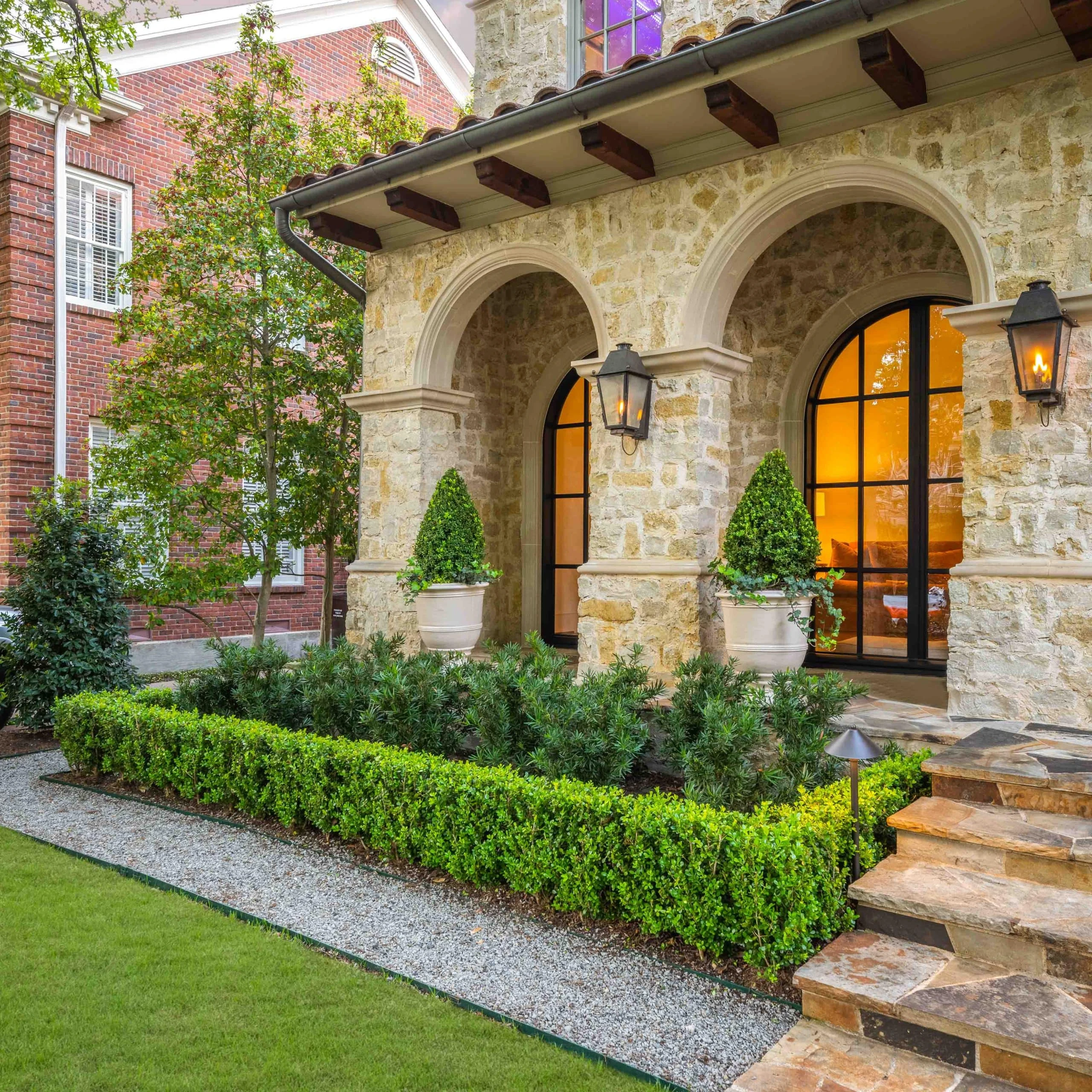
Native plants chosen for Northeast Atlanta's conditions build self-sustaining landscapes — less water, fewer inputs, and genuine visual character year after year.
Making the Visual Case — Natives as Design Plants, Not Just Conservation Choices
The visual objection to native plantings — that they look "wild" or unfinished compared to conventional landscape plants — reflects a limited exposure to well-designed native landscapes rather than a genuine limitation of the plants themselves. Native plants designed with intention, placed for compositional effect and seasonal sequence, and maintained with the same care given to any designed landscape produce results that are visually compelling on their own terms. The texture of native grasses, the structure of native shrubs in winter, and the seasonal color sequence from spring through fall create a landscape character that conventional ornamental planting rarely achieves.
Timberstone Landscape incorporates native plants into landscape designs throughout the Northeast Atlanta region — Gwinnett, Forsyth, Hall, Fulton, and surrounding counties — from our base in Grayson, GA. As a Techo-Bloc Preferred Contractor, our design approach integrates native plant selection with hardscape design, drainage planning, and the full site context that produces landscapes with genuine long-term performance. Explore our hardscaping services and our design-build process.
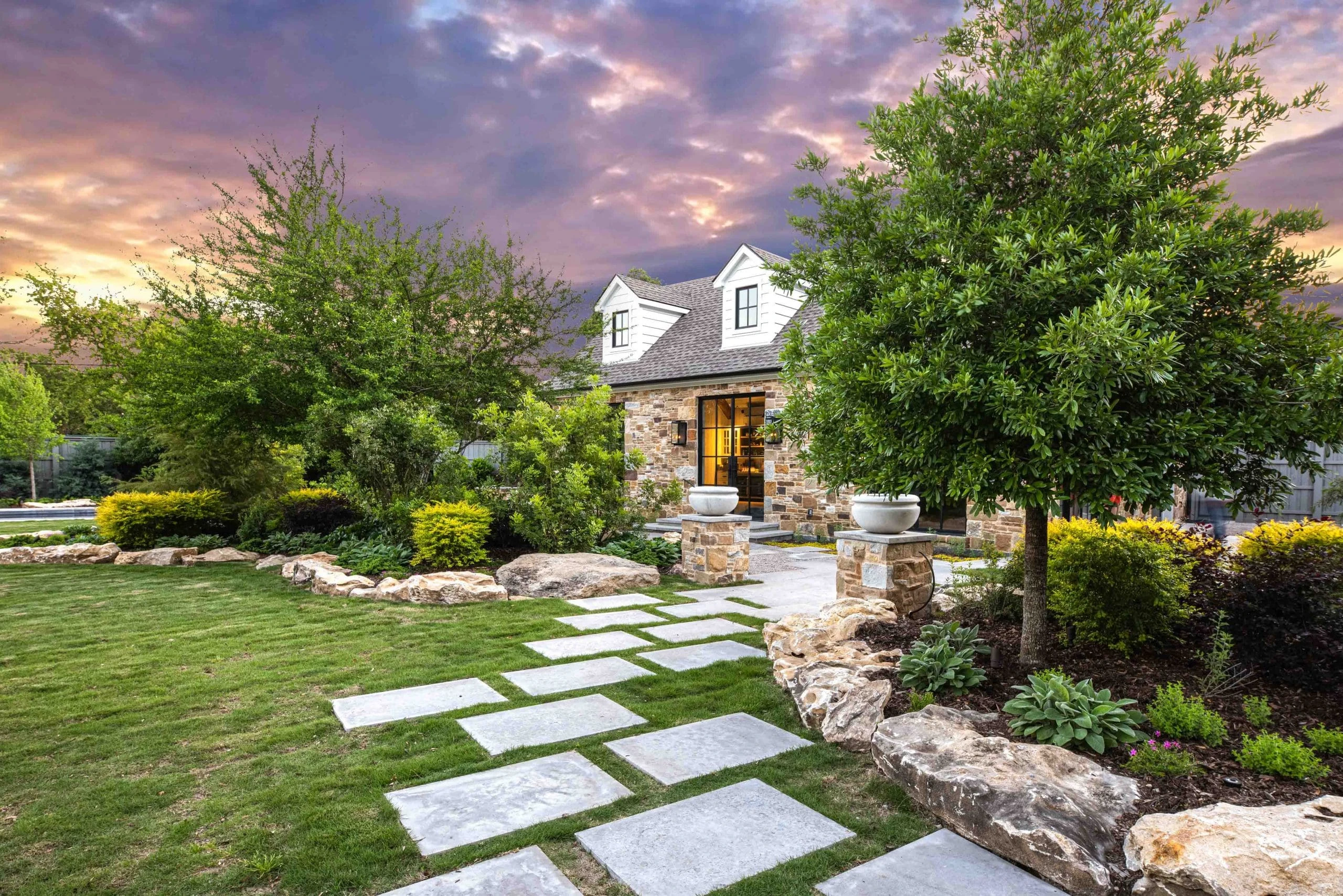
In Northeast Atlanta, the best landscape investment is often the one that works with the region's ecology — native plants deliver durability, beauty, and reduced maintenance simultaneously.
Design a Landscape That Belongs Here
Free consultations. Serving Northeast Atlanta within 40 miles of Grayson.
Request a Free ConsultationTimberstone Landscape is based in Grayson, Georgia and serves the greater Northeast Atlanta region within 40 miles: