
Pergola Materials for Georgia's Climate — What Holds Through Summer and What Warps by Year Three
Georgia's climate is one of the most demanding environments for outdoor structures in the country. High humidity from April through October, UV index readings that rival coastal Florida, and temperature swings that move thirty degrees in a single week — these conditions separate materials that were engineered for the climate from materials that were engineered for the showroom photo.
Pergolas fail in Georgia for predictable reasons. The material chosen looked right in the brochure and performed acceptably in the first spring. Then came the first August. And the second winter. And by year three, a wood pergola is splitting at the joints, a vinyl pergola is discolored and brittle along the rafters, and an aluminum pergola with the wrong coating is showing oxidation at the fastener points. These aren't random failures — they're the direct result of choosing materials without accounting for what Georgia's climate actually demands.
Material ComparisonCedar and Pressure-Treated Wood — Where They Work and Where They Don't
Wood remains the most commonly specified pergola material — and the most commonly regretted one in Georgia. Pressure-treated pine is affordable and structurally sound when properly installed, but it moves significantly with Georgia's humidity cycles. Posts check, rafters cup, and the joints where wood meets hardware become entry points for moisture that accelerates rot. Without annual sealing and staining, a pressure-treated pergola in Georgia shows significant weathering within two to three years.
Cedar and redwood perform better — their natural oils resist moisture absorption more effectively than pine — but they are not maintenance-free in Georgia's climate. They still require regular sealing, they still move with humidity changes, and they're substantially more expensive than pressure-treated. The wood pergola that looks ideal in photographs requires a maintenance commitment most homeowners don't plan for when they're making the initial decision.
"The cheapest pergola in Georgia isn't the one with the lowest quote — it's the one you don't have to replace or refinish every two years."
Aluminum, Steel, and Composite — The Materials That Hold in Georgia
Powder-coated aluminum is the standard for pergola structures that need to perform across a full Georgia decade without significant maintenance. The structural members don't absorb moisture, don't check or split, and don't expand and contract at the joints the way wood does. The powder coating — when properly applied and of commercial grade — resists UV degradation and oxidation through Georgia's full temperature and humidity range. This is not the aluminum pergola kit from a home improvement store. It's engineered framing with appropriate coating thickness and proper fastener specification.
Composite materials — fiberglass-reinforced polymer or PVC composite framing — occupy a middle ground. They perform better than wood in moisture resistance and require less maintenance, but they can exhibit surface chalking under sustained Georgia UV exposure and can soften slightly under full summer sun if the material specification isn't appropriate for the climate. Material specification matters here at the grade level, not just the product category. The same material type can perform very differently depending on the formulation and the manufacturer's climate rating.
- Pressure-treated wood: lowest initial cost, highest maintenance requirement, shortest effective lifespan in Georgia humidity
- Cedar: better moisture resistance than pine, still requires sealing every 1–2 years in Georgia's climate
- Powder-coated aluminum: best long-term performance in Georgia, minimal maintenance, correct choice for covered structures
- Composite/PVC: good moisture resistance, verify UV stability rating for Georgia's climate zone before specifying
- Steel: suitable for large span applications, requires rust-inhibiting coating and proper joint sealing in Georgia humidity
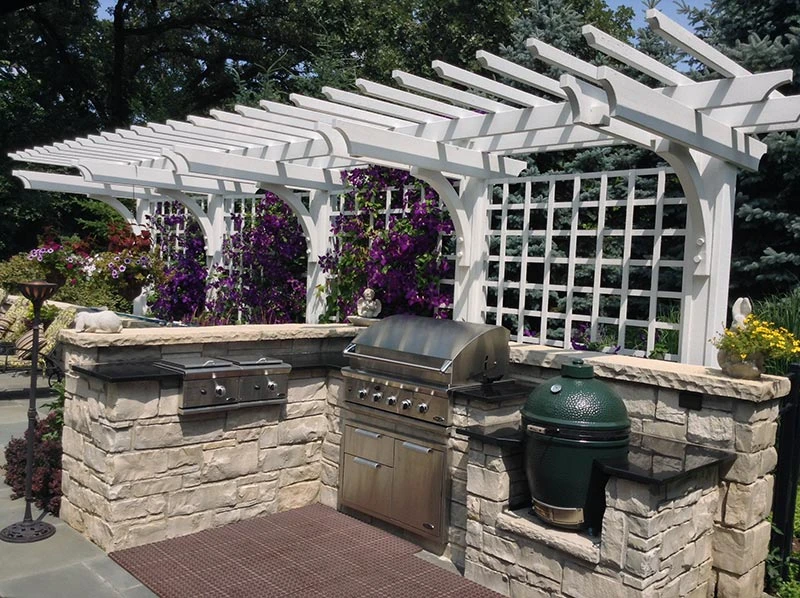
Timberstone selects pergola materials for Georgia's actual climate — not for how they photograph in a catalog taken in California.
What the Warranty Actually Covers — and What It Doesn't
Most pergola warranties cover manufacturing defects — not climate-driven performance failure. A wood pergola warranty typically covers the wood against premature rot under normal conditions, but "normal conditions" in a Georgia climate disclosure is doing a lot of work. If the warranty excludes failure resulting from moisture or UV exposure without adequate maintenance, and the material specification requires annual sealing in Georgia, the warranty is effectively voided by the climate the moment the homeowner falls behind on maintenance by a season.
Aluminum pergola warranties from reputable manufacturers are more straightforward — structural warranties of 15 to 25 years are standard, and coating warranties of 10 years are common when the product is commercial grade. Those warranties hold in Georgia because aluminum doesn't require maintenance interventions to perform; the material either met the spec at manufacture or it didn't. This is why the initial material decision matters more than most homeowners realize — the maintenance cost difference over ten years often exceeds the initial material cost difference.
Timberstone Landscape is based in Grayson, Georgia, and we specify and install pergola structures across Gwinnett, Forsyth, Fulton, Hall, and surrounding counties. We walk every client through material performance in Georgia's climate before any structure is designed — because the right material conversation happens at the design stage, not after year three. See our outdoor features page or our design-build process to start the conversation.
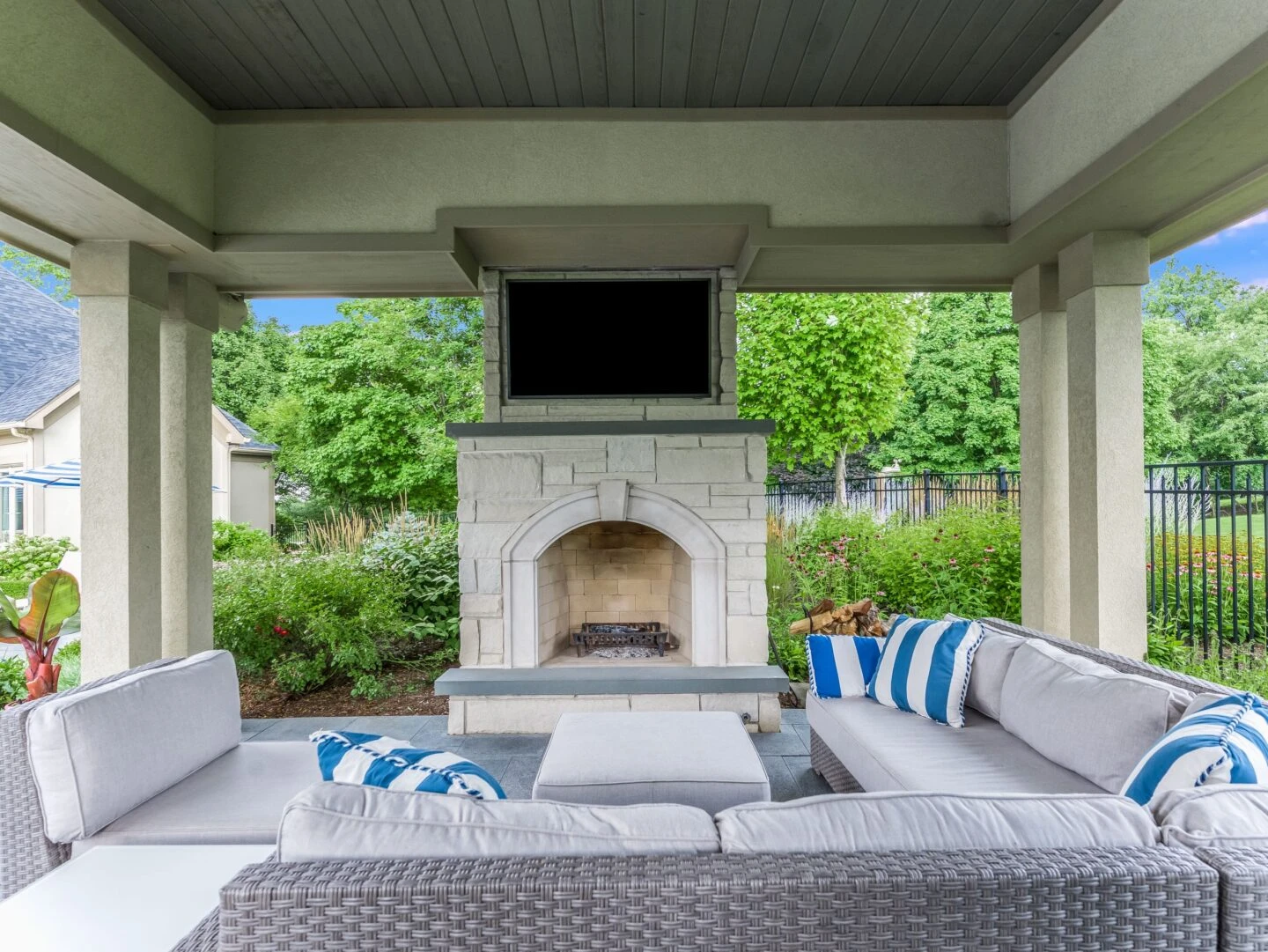
Every pergola Timberstone builds is specified for Georgia's climate — materials chosen for a decade of performance, not a season of curb appeal.
Pergola Materials That Survive Georgia — Not Just Look Right in March
Free material consultations. We show you what holds through a Georgia August and what the warranties actually cover.
Request a Free ConsultationTimberstone Landscape is based in Grayson, Georgia and serves the greater Northeast Atlanta region within 40 miles: