
How to Prioritize Outdoor Living Projects When Your Budget Has a Ceiling
Every homeowner who has ever sat across from a contractor and heard the full project estimate has had the same moment: the vision is perfect, and the budget is not. The question isn't whether to make trade-offs — it's how to make them without building something that either fails structurally or requires expensive rework when the budget recovers.
Budget constraints in outdoor living projects are almost universal. Very few homeowners build everything they originally envisioned in one phase. The ones who end up happiest aren't the ones who spent the most — they're the ones who made the right trade-offs in the right order. That means preserving the structural investments and deferring the finishing elements, not the other way around.
This guide gives Georgia homeowners a clear framework for making budget decisions on outdoor projects that hold their value and build correctly toward the full vision.
The Prioritization Framework: Non-Negotiable vs. Deferrable
Where to Protect Budget and Where to CutEvery outdoor project has two categories of cost: structural investments that determine the longevity of everything built above them, and finish elements that improve the experience but don't affect structural performance. When budget is constrained, cuts should come exclusively from the finish category.
- Non-negotiable — base depth and drainage: The cost of adequate compacted aggregate base and site drainage cannot be reduced without directly shortening the project's lifespan. A patio built on a 3-inch base costs less today and fails in three to five years; a patio on an 8-inch base costs more and lasts 25 years.
- Non-negotiable — edge restraints and polymeric sand: The joint system that prevents paver movement and weed infiltration is a structural component. Downgrading to kiln-dried sand saves a small amount now and costs multiples in repair within a few seasons.
- Deferrable — outdoor kitchen and fire feature: These elements can be added in phase two on a completed paver foundation. The hardscape designed to receive them can be installed now; the appliances and structures come later.
- Deferrable — pergola and lighting: Both enhance the space significantly but have no structural dependency on the phase one hardscape. They are the ideal deferral category.
- Deferrable — landscaping and planting: Perimeter planting, sod, and landscape beds are phase-three elements with zero structural interdependency.
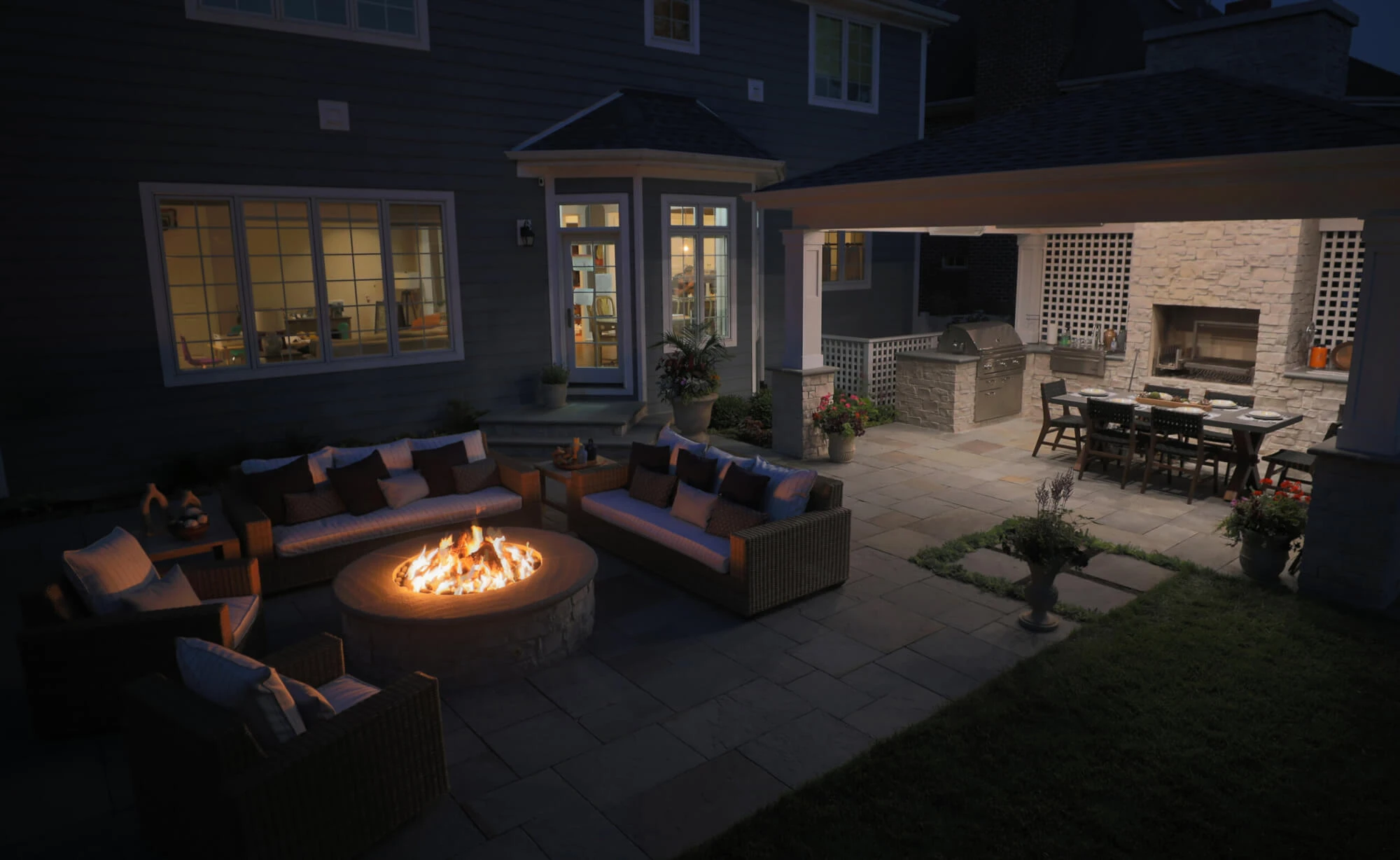
Budget trade-offs should always protect base depth and drainage — the invisible investments that determine whether the visible ones last.
How Scope Reduction Differs From Quality Reduction
The Right Way to Make a Project Fit a BudgetWhen a homeowner's budget doesn't cover the full scope, the right response is to reduce the scope — not the quality. A smaller patio built correctly is a better investment than a larger patio built with insufficient base depth. Reduce square footage, defer elements, simplify the material tier — but never cut the structural specifications that make any outdoor project perform over time.
A $20,000 project built right is a better investment than a $30,000 project built wrong. We'd rather build half the patio correctly than the full patio incorrectly — because you can add to a good foundation. You can't fix a bad one without starting over.
How Timberstone Approaches Budget Conversations
Honest Scoping for Real BudgetsAs a Techo-Bloc Preferred Contractor, Timberstone Landscape works with homeowners at every budget level to identify the right scope for their investment. We present options that show what a given budget builds at full quality — not a discounted version of something that should cost more. Victor's team serves Grayson, Lawrenceville, Suwanee, Buford, Duluth, Dacula, Alpharetta, Johns Creek, and all of Northeast Atlanta. Call (678) 356-7952.
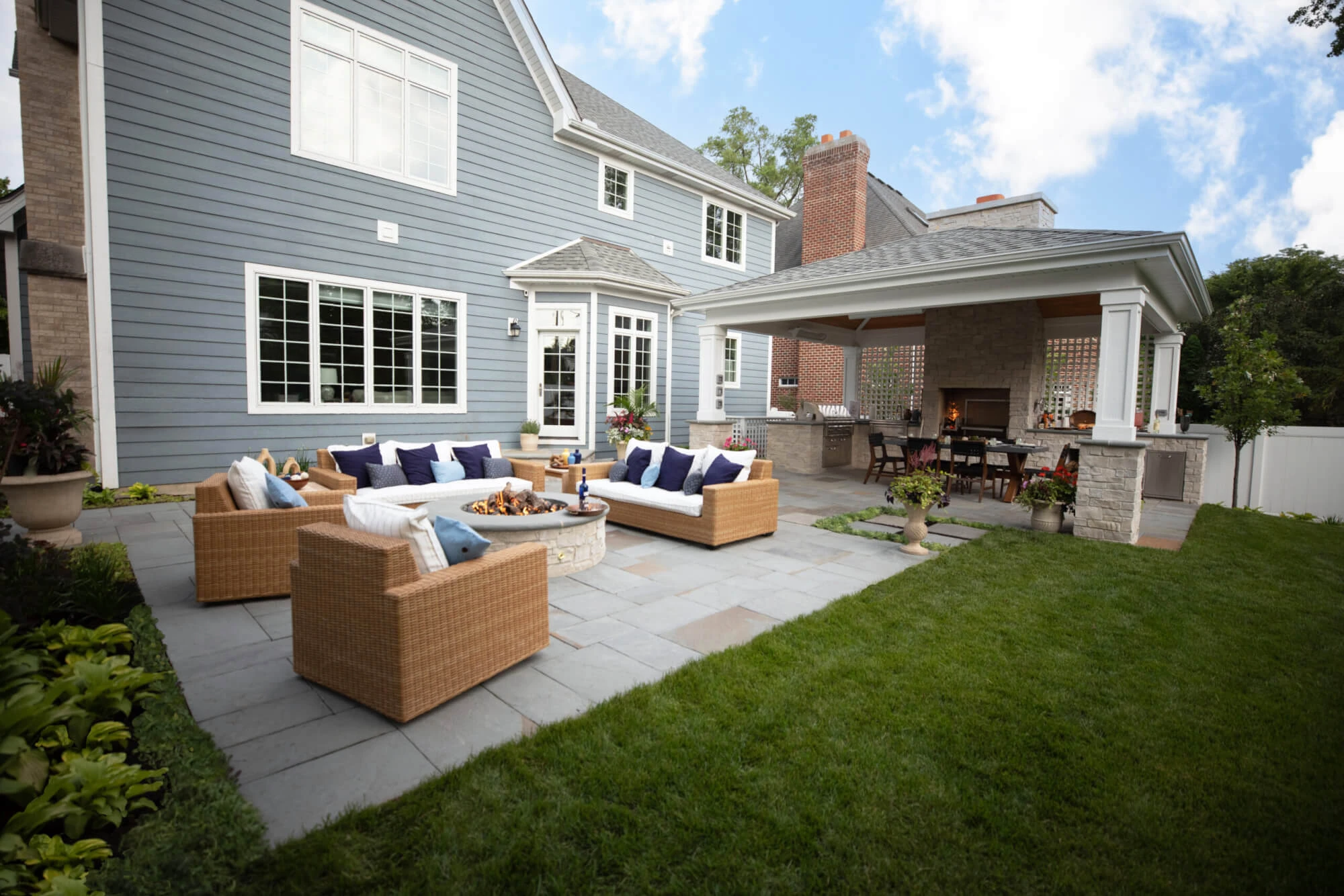
Let's Find the Right Scope for Your Budget
Timberstone Landscape serves Grayson, Gwinnett, Forsyth, Hall, and surrounding Northeast Atlanta counties.
Get a Free Estimate