
How a Retaining Wall Increases Usable Lot Area — And What That's Worth in Georgia
Northeast Atlanta is built on rolling terrain. The subdivisions of Gwinnett, Forsyth, and Hall counties are defined by grade changes, sloped backyards, and lots that look larger on the survey than they feel in person. A retaining wall doesn't just hold soil — it converts unusable slope into functional outdoor space. In the Georgia real estate market, that conversion has measurable dollar value.
The calculation is straightforward: a sloped backyard that accommodates no usable patio or entertaining area represents missed living space. A properly engineered retaining wall system that creates a level terrace — large enough for a patio, fire feature, and seating area — can add hundreds of square feet of functional outdoor space to a lot that previously offered none. Appraisers and buyers price that difference.
This guide explains what retaining walls cost relative to what they return, how appraisers value the usable area they create, and what differentiates a structural wall that holds its value from one that fails.
The Value of Usable Square Footage
How Outdoor Space Is Valued in GeorgiaGeorgia real estate agents consistently report that buyers treat outdoor living square footage as additive to indoor living square footage — but only when it's usable. A beautiful sloped yard with no flat area is a maintenance liability to most buyers. A terraced yard with a 400-square-foot entertainment patio is livable space. That difference shows in comparable sales data, particularly in the $450,000 to $750,000 home segment that dominates Gwinnett and Forsyth markets.
- A single retaining wall creating a level 400-square-foot terrace typically costs $8,000 to $18,000 installed, depending on wall height, material selection, and drainage requirements.
- The patio installed on that terrace adds $12,000 to $25,000 in additional hardscape value.
- Combined appraised value increase for a graded, paved outdoor living area in the Northeast Atlanta market: $18,000 to $40,000, based on comparable sales data from agents active in Grayson, Suwanee, and Dacula neighborhoods.
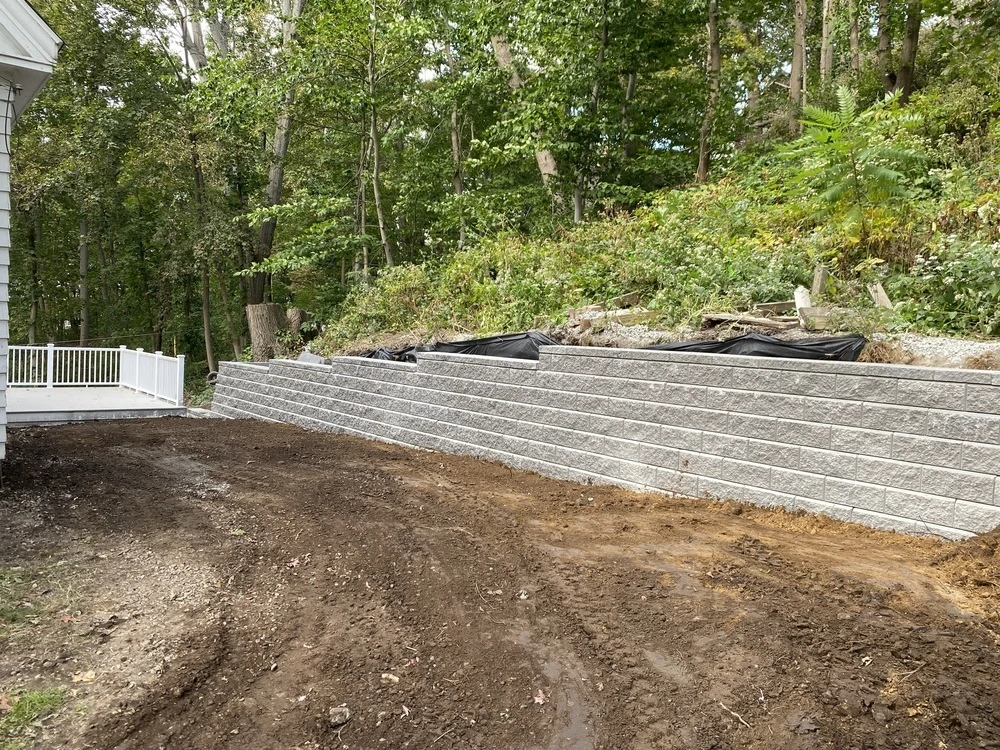
Retaining walls in Northeast Atlanta's sloped terrain convert unusable grade into functional outdoor living space — and the value of that conversion is real and measurable.
What Makes a Retaining Wall a Sound Investment vs. a Liability
Structural Quality and LongevityThe ROI calculation only holds when the wall performs structurally. A retaining wall that bows, cracks, or shows water damage before sale time signals deferred maintenance to buyers and appraisers — and reduces value rather than adding it. Georgia's clay soils create significant lateral pressure, particularly after heavy rain cycles. Walls without proper drainage behind them are the most common structural failure type in Northeast Atlanta.
We see DIY and budget retaining walls fail all the time in this market. The homeowner saved $5,000 at installation and then lost $15,000 at appraisal when the wall showed movement five years later. Structural work done wrong doesn't just fail — it creates a liability.
Why Timberstone Builds Walls That Hold
Techo-Bloc Preferred and Structural EngineeringAs a Techo-Bloc Preferred Contractor, Timberstone Landscape builds retaining walls to Techo-Bloc's specified batter angle, base depth, drainage aggregate, and geogrid reinforcement requirements for walls above 24 inches. These specifications are not optional — they're what separates a wall that performs for 20 years from one that moves in the first five. Victor's team serves Grayson, Lawrenceville, Suwanee, Buford, Duluth, Dacula, Alpharetta, Johns Creek, and all of Northeast Atlanta. Call (678) 356-7952.
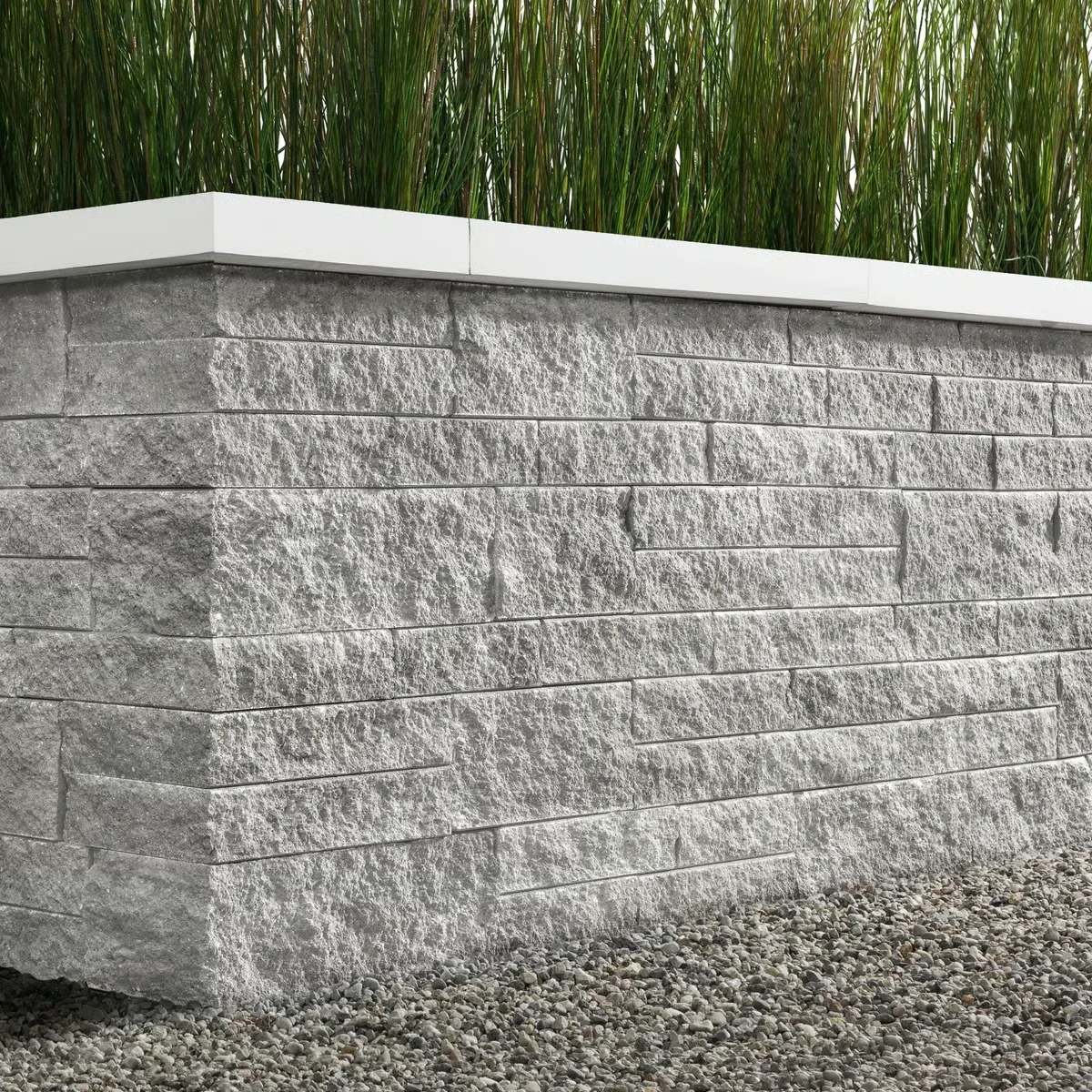
Ready to Unlock Your Sloped Backyard's Potential?
Timberstone Landscape serves Grayson, Gwinnett, Forsyth, Hall, and surrounding Northeast Atlanta counties.
Get a Free Estimate